
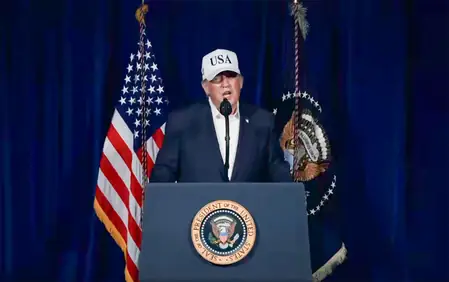
In a pivotal moment for American governance, the US Senate on March 4 rejected a War Powers Resolution aimed at curbing President Donald Trump’s military actions against Iran. This decision has reignited fierce discussions about the balance of power between the executive and legislative branches.
The War Powers Resolution, enacted in 1973 during Richard Nixon’s presidency amid the Vietnam War quagmire, was designed to prevent presidents from unilaterally committing US forces to combat without congressional approval. Under its provisions, the president must notify Congress within 48 hours of deploying troops into hostilities. If Congress does not authorize the action within 60 days—or 90 in some cases—the troops must be withdrawn.
This framework seeks to reaffirm Congress’s constitutional authority to declare war while respecting the president’s role as Commander-in-Chief. Yet, its effectiveness has been repeatedly challenged. Presidents from both parties have often sidestepped the strict timelines by classifying operations as limited or defensive, submitting notifications but proceeding regardless.
Historical precedents abound. In the 1980s, congressional pressure helped scale back US involvement in Lebanon. Similarly, in the 1990s, public and legislative opposition curtailed missions in Somalia. More recently, in 2019, Congress passed a resolution to end US support for the Saudi-led war in Yemen, only for Trump to veto it, underscoring the resolution’s limitations.
The recent Senate vote means no immediate halt to operations against Iran, but the underlying debate persists: Should presidents wield unchecked military power without formal war declarations? Critics argue the resolution is toothless, while supporters see it as a vital check on executive overreach.
As tensions simmer, this episode highlights the ongoing tug-of-war in US politics, where constitutional ideals clash with real-world security demands. The resolution remains a cornerstone of democratic oversight, even if its enforcement proves elusive.