
Washington, March 5 – In a sweeping military campaign, the United States has hammered over 2,000 Iranian targets, crippling Tehran’s missile arsenal and naval prowess. Operation Epic Fury, greenlit by President Donald Trump, marks a decisive blow against Iran’s aggressive postures in the Middle East.
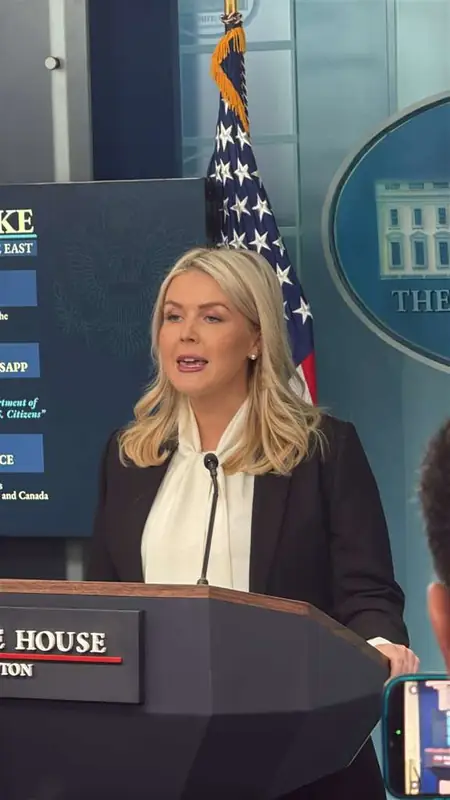
White House Press Secretary Caroline Leavitt defended the operation’s launch last weekend, outlining its core missions: neutralizing Iran’s ballistic missile threats, dismantling its naval fleet, disrupting proxy networks, and thwarting nuclear ambitions. ‘Under President Trump’s bold leadership, we’re dismantling the terrorist regime in Iran,’ Leavitt told reporters.
The strikes obliterated hundreds of ballistic missiles, launchers, and drones, rendering Iran’s ability to menace U.S. forces and allies virtually inert. Leavitt hailed the campaign as an unqualified success, noting a staggering 86% drop in Iranian missile launches since day one.
Naval operations proved equally devastating. U.S. forces unleashed torpedoes on Tuesday night, sinking Iran’s most advanced submarine and over 20 warships. Key waterways like the Strait of Hormuz and Gulf of Oman now stand eerily free of Iranian vessels, paralyzing Tehran’s maritime reach.
High-value targets weren’t spared. Over 49 top Iranian leaders, including Supreme Leader Khamenei, have been eliminated in precision strikes. ‘Eliminating these brutal terrorists makes America safer and the world a better place,’ Leavitt asserted, framing the actions as vital self-defense.
The campaign’s toll included six fallen U.S. service members. President Trump plans to attend their honors, while 17,500 troops have safely withdrawn from the Middle East. As Epic Fury reshapes regional dynamics, questions loom about Iran’s next moves and global repercussions.