
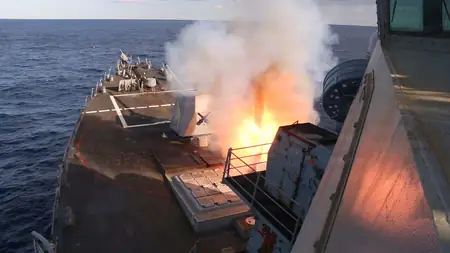
Beijing, March 5 – The world has marched toward civility since World War II, with few exceptions. Yet, as the 21st century’s first quarter fades, shadows of medieval barbarism creep back under modernity’s guise. The US and Israel’s February 28 strike on Iran has amplified these fears globally.
The attack claimed the life of Iran’s Supreme Leader Ayatollah Ruhollah Musavi Khomeini, alongside top military brass. This shocking blow has left weaker nations trembling. They now fear that defying US policies could invite precision strikes from Washington.
The US justified the operation by citing Iran’s nuclear ambitions, missile prowess, and the need for regime change. Officials argued Tehran was on the brink of nuclear weapons, posing an ‘unacceptable threat’ to global and regional security. President Trump insisted Iran squandered every chance to abandon its atomic dreams.
Post-strike, terrorism risks loom larger. Global anxieties are mounting, and rightly so. America touts itself as democracy’s champion, exporting its model worldwide. But interventions often yield chaos, not ballots. Trump’s era has unraveled the post-war world order, thrusting us toward unpredictability.
Nations watch warily as power plays redefine alliances. The fragile balance teeters, urging leaders to rethink deterrence in this new age of preemptive force.