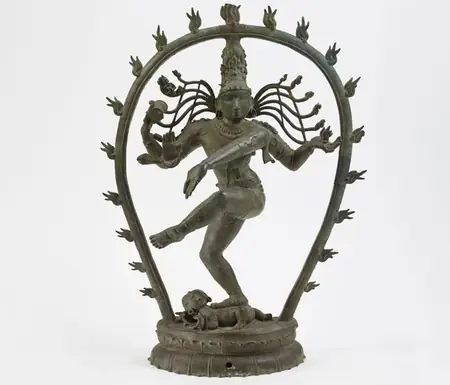
In a significant cultural repatriation, Washington’s National Museum of Asian Art, part of the Smithsonian Institution, has agreed to return three priceless bronze sculptures looted from South Indian temples decades ago. These artifacts, emblematic of Tamil Nadu’s rich artistic heritage, include a Chola-era Shiva Nataraja from around 990 AD, a 12th-century Chola Somaskanda, and a 16th-century Vijayanagara saint Sundarar with Paravai.
These masterpieces once graced religious processions in Tamil Nadu temples, embodying the pinnacle of South Indian bronze craftsmanship. The museum’s announcement on Wednesday marks the culmination of years of meticulous provenance research, triggered by collaborations with French Institute archives in Pondicherry.
Researchers confirmed the sculptures appeared in temple photos from 1956-1959, verifying their illicit removal in violation of Indian law, as affirmed by the Archaeological Survey of India. While two idols will fully return to India, the iconic Shiva Nataraja will remain on long-term loan, displayed with full transparency about its history of looting and repatriation.
This exhibit, part of ‘The Art of Knowing in South Asia, Southeast Asia, and the Himalayas,’ aims to educate visitors on ethical stewardship. Museum director Chase F. Robinson emphasized commitment to responsible practices, thanking the Indian government for allowing continued display of the revered Nataraja.
The Shiva Nataraja hails from Sri Bhava Aushadheshwar Temple in Tiruthuraipundi taluk, photographed there in 1957 before surfacing at New York’s Doris Wiener Gallery in 2002 with forged documents. The other two arrived via Arthur M. Sackler’s 1987 donation, traced to Alathur’s Vishwanath Temple and Virasolapuram’s Shiva temple.
Provenance investigations delved into physical exams, export licenses, dealer records, old photos, and shipping logs to reconstruct ownership chains. This move underscores India’s ongoing campaign to reclaim smuggled heritage, bolstering global museum ethics amid rising repatriation demands.