
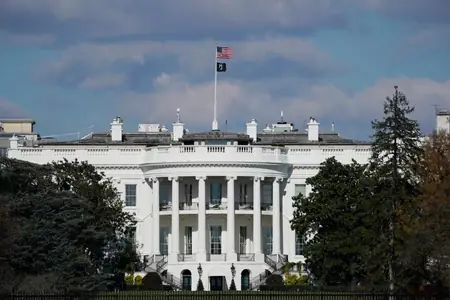
Washington is prepared to deploy naval escorts for oil tankers navigating the Strait of Hormuz if tensions with Iran escalate further. The White House announcement comes as Operation Epic Fury against Iran raises alarms over global energy supplies and shipping safety in one of the world’s most critical maritime chokepoints.
In a briefing, Press Secretary Caroline Leavitt emphasized that the US is closely monitoring oil markets and maritime traffic amid the ongoing operation. President Donald Trump has already initiated steps to stabilize energy markets in the Gulf region and protect vessels. The US Development Finance Corporation will offer political risk insurance for crude oil and cargo ships operating in and around the Gulf.
Leavitt warned that should ship security deteriorate, the US Navy stands ready for direct intervention. ‘If necessary, the US Navy will begin escorting tankers through the Strait of Hormuz,’ she quoted President Trump as saying. This move aims to prevent disruptions to global oil flows amid heightened conflict with Iran, a waterway central to world energy markets.
Controlling 20% of global oil supply, the Strait of Hormuz is vital. The administration is collaborating with its economic and energy teams to mitigate conflict’s fallout. ‘Oil prices and the domestic economy are issues we’ve been addressing with Treasury Secretary Scott Bessent, Energy Secretary Chris Wright, and the National Economic Energy Council led by Doug Burgum,’ Leavitt noted.
US officials believe the economy can weather temporary shocks from the conflict. ‘The economy remains robust and capable of handling any short-term impacts from Operation Epic Fury,’ they asserted. Ultimately, recent actions against Iran could enhance stability in global energy markets by curbing Tehran’s influence over ships transiting strategic waterways.
Leavitt argued that these measures underscore the necessity of the operation, benefiting the energy sector through presidential actions. Iran will no longer threaten vessels in the region or control the strait to restrict energy flows freely. While oil prices have ticked up since the conflict began, major importers are wary of inflation and fuel cost spikes.