
Washington, February 25 – In a pivotal congressional hearing titled ‘Building an AI-Ready America: Teaching in the Age of AI,’ US lawmakers delved into the rapid integration of artificial intelligence in classrooms. They praised AI tools for saving teachers precious time while issuing stark warnings about threats to privacy and academic integrity.
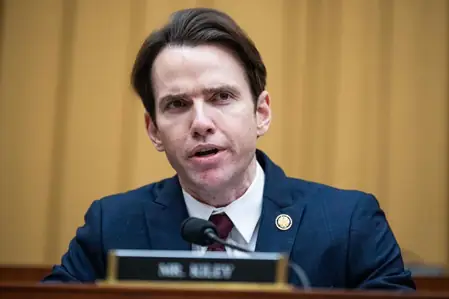
Rep. Kevin Kiley highlighted the pervasive use of AI, noting that 60% of public school teachers employed these tools during the 2024-2025 academic year. ‘Teachers using AI weekly estimate saving about six hours per week,’ Kiley stated, equating to nearly six extra weeks of teaching time annually. Yet, a sobering 70% of educators feel unprepared to wield AI effectively in their classrooms.
Survey data painted a concerning picture: nearly 40% of middle and high school students admitted to using AI for assignments without teacher permission. This revelation underscored the urgency for guidelines over outright bans.
West Virginia State Schools Superintendent Michele Blatt shared her state’s approach, opting for flexible guidelines introduced in 2024. These have been updated twice to address emerging challenges. ‘AI can never replace our teachers in the classroom,’ Blatt emphasized, advocating for safeguards that evolve with technology.
Teach For America CEO Anish Sohoni, an Indian-American leader, echoed this sentiment. ‘AI is a tool, not the first tier of learning,’ he said. His organization has trained over 4,800 teachers since 2020 on responsible AI use, stressing that student engagement thrives on human connections and safe environments.
Representing higher education, David Sleekhuis warned against over-reliance on AI. ‘It’s already embedded in classrooms – not a future tech,’ he noted. Critical thinking must remain paramount as institutions advance AI integration.
Microsoft’s Senior Director of Education and Workforce Policy, Allison Knox, outlined corporate commitments. ‘We provide guidance and safeguards,’ she affirmed. Microsoft avoids using student data to train models or sharing it with third parties, and prohibits chatbot access for children under 13.
The hearing signals a balanced path forward: harnessing AI’s efficiencies while fortifying education against its pitfalls. Lawmakers called for nationwide standards to ensure technology enhances, rather than undermines, learning.