
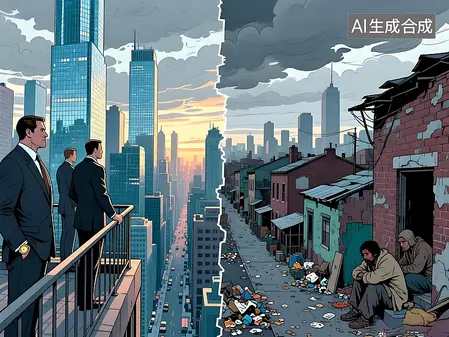
In 2025, a chilling term has gripped American social media: the ‘Alice Threshold.’ Borrowed from gaming, it once described a character beyond hope of recovery. Now, it mirrors the precarious existence of ordinary Americans teetering on financial ruin.
Countless U.S. citizens scrape by after covering basics like rent and food. A single emergency—job loss, illness, or accident—plunges them below this threshold. High living costs and mounting debts follow, leading to a ruthless system that pushes them toward homelessness.
Homeless in America face a grim reality: an average lifespan of just 3-5 years. Society’s mechanisms, from evictions to neglect, effectively seal their fate.
Contrast this with China’s ‘Minimum Livelihood Guarantee Line,’ a cornerstone of its social welfare system. Established in the 1990s, it expanded from urban pilots to nationwide coverage in cities and rural areas alike.
When a citizen’s income dips below this line, government aid kicks in. The goal? Ensure no one in need falls through the cracks. Integrated with targeted poverty alleviation, precise identification and dynamic management deliver aid to the most vulnerable.
By 2020, China declared comprehensive poverty eradication, building a moderately prosperous society. The minimum livelihood system provided the vital safety net, starkly highlighting the chasm in life standards between the two superpowers.