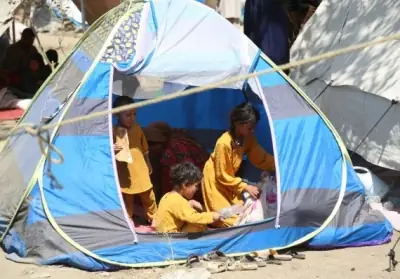
Kabul is grappling with one of the world’s worst child malnutrition crises, according to UNICEF. Every year, approximately 3.7 million Afghan children suffer from severe acute malnutrition, a dire situation that demands urgent global attention.
UNICEF Representative Tajuddin Oyewale voiced profound concern during the launch of new guidelines aimed at preventing and treating malnutrition. He stressed the critical need for immediate, effective interventions to save young lives amid escalating challenges.
Since 2021, the crisis has intensified due to economic collapse, prolonged drought, and insufficient humanitarian funding. The World Food Programme reports that over 90% of Afghan families cannot afford adequate food, leaving children vulnerable to hunger and stunted growth that impairs physical and cognitive development permanently.
The newly released guidelines introduce vital updates, emphasizing life-saving measures for the most critical cases and specialized care for infants under six months. This step is hailed as a breakthrough in tackling child malnutrition head-on.
Poverty, food insecurity, limited healthcare access, and maternal malnutrition fuel the problem, especially in rural areas where medical facilities are scarce. Restrictions on female health workers have further hampered treatment efforts.
Compounding the malnutrition emergency, UNICEF highlights an education catastrophe: over 90% of 10-year-old children cannot read a simple text. Around 2.2 million adolescent girls are denied schooling since the Taliban’s 2021 takeover, due to school closures, teacher shortages, and curriculum limitations.
UNICEF urges sustained investment in early education, literacy, and math skills to avert a deepening crisis. Without swift action, Afghanistan risks a generation lost to hunger and illiteracy, with long-term consequences for the nation’s future.