
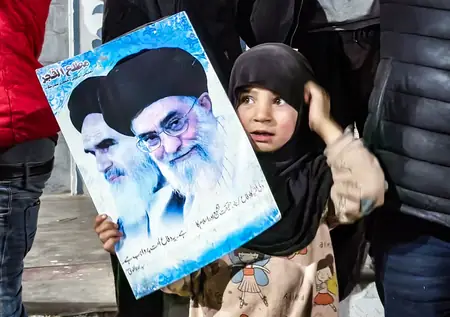
Tehran is plunging into a three-day period of mourning starting Wednesday night local time, honoring Supreme Leader Ayatollah Ali Khamenei, who perished alongside top commanders in devastating US-Israel airstrikes on the Iranian capital last Saturday.
Crowds are expected to converge at Tehran’s Grand Musalla for tributes, as state media underscores the event’s historic weight amid a nation reeling from the attacks. Details on Khamenei’s burial remain under wraps, heightening the somber atmosphere.
In a swift move, Iran’s Assembly of Experts appointed Khamenei’s son, Mojtaba, as the new supreme leader on Wednesday. This decision, reportedly reached through virtual sessions due to ongoing conflict, has sparked debate over its implications for the Islamic Republic’s anti-dynastic principles.
Sources point to intense pressure from the Islamic Revolutionary Guard Corps (IRGC) on religious leaders to back Mojtaba, whose ascension comes just days after his father’s death in the strikes that have ignited fresh tensions across the Middle East.
Government broadcasts frame the mourning as a unifying moment, with participants from across regions anticipated to pay respects. Yet, whispers of IRGC orchestration raise questions about power transitions in wartime Iran.
The strikes not only claimed Khamenei but also decimated key military figures, leaving the regime to navigate leadership voids under the shadow of escalated regional hostilities. As Tehran gathers in grief, the world watches for signals of Iran’s next moves.
This ceremony marks a pivotal chapter, testing the resilience of Iran’s revolutionary ideals against the realities of familial succession and external threats.