
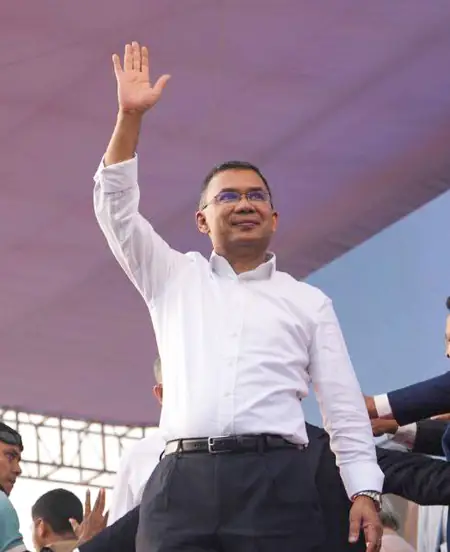
Dhaka’s recent parliamentary elections have ushered in a new era of hope for Bangladesh’s democracy, with the Bangladesh Nationalist Party (BNP) securing a resounding victory under Tarique Rahman’s leadership. Yet, beneath the celebrations, shadows of uncertainty loom large. Intelligence sources reveal that the rising influence of Jamaat-e-Islami poses a formidable challenge to Rahman’s fledgling administration.
Jamaat-e-Islami may not have clinched the top prize, but its haul of 77 seats marks its best-ever performance, injecting fresh vigor into the Islamist outfit. For Rahman, assuming the reins of power feels like donning a crown of thorns. The interim regime under Muhammad Yunus left a trail of administrative chaos, economic disarray, and unchecked radicalism that Rahman must now painstakingly unravel.
Political observers emphasize that Rahman’s primary battleground lies within Bangladesh’s borders. Cleansing the system of entrenched corruption and mob-driven anarchy will demand more attention than mending international ties. Rahman has pledged balanced diplomacy, prioritizing national interests above all—a subtle rebuke to Yunus’s overt favoritism toward Pakistan.
Under Yunus, borders were lax, visas freely issued, and sea routes opened wide, allegedly facilitating ISI smuggling of arms, ammunition, and terrorists into India via Bangladesh. Drug trafficking flourished through these corridors, exacerbating regional security woes. Rahman inherits a nation scarred by mobocracy, where Jamaat-backed crowds unleashed terror on media outlets, minorities, and political rivals with impunity.
Police inaction was rampant; cases went unregistered or uninvestigated. Fears persist that Jamaat, despite its electoral gains, might bide its time before reigniting violence. Intelligence officials warn of potential BNP-Jamaat alliances, recalling past coalitions. However, BNP’s outright majority diminishes its reliance on Jamaat, though the Islamists’ administrative meddling during Yunus’s tenure lingers as a threat.
If sidelined, Jamaat could amplify frustrations through street unrest. Its unprecedented seat tally—from a perennial sub-20 performer to 77—amplifies its platform to propagate ideology and intimidation. Jamaat’s agenda includes distorting the 1971 Liberation War narrative, where it sided with Pakistan, and pushing radical visions of rejoining Islamabad.
Yunus’s patronage emboldened Jamaat, spiking minority persecutions, extortion, and violence. Yet, the electorate’s rejection signals a popular mandate against ISI puppets. Rahman vows normalcy, but Jamaat’s border victories near West Bengal heighten India’s security concerns, as radicalism spreads unchecked.
Rahman’s path demands vigilance: balancing power, curbing extremism, and restoring order to fulfill the democratic promise.