
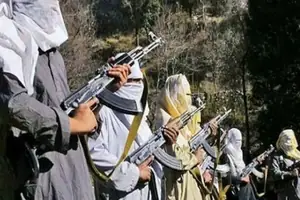
Pakistan’s military is openly backing radical Islamist groups like Hamas and the Muslim Brotherhood, providing them with a safe haven to operate. This support is spilling over to local terror outfits such as Lashkar-e-Taiba (LeT) and Jaish-e-Mohammed (JeM), who are now seeking backing from Islamic nations for their campaigns in Gaza and Kashmir.
A recent report highlights how Pakistan’s pivot toward the Middle East is exacerbating tensions in already volatile South Asia and beyond. Misunderstandings, ideological clashes, and proxy wars are on the rise as Islamabad strengthens its footprint in the region.
For decades, Pakistan has harbored international terror networks like LeT and JeM. Despite international bans and pressure, these groups continue to thrive through front organizations and allies within the country.
When Pakistan ramps up its security presence in the Middle East while endorsing Islamist militants, the threat doesn’t stay confined to South Asia—it becomes a full-blown regional crisis. Political and religious platforms in Pakistan are vocally supporting Hamas, with the parliament welcoming Hamas representative Khaled Qaddoumi in January 2024 and his participation in events in Pakistan-occupied Jammu and Kashmir in February 2025.
By hosting Hamas, Pakistan is forging dangerous alliances between local and global terror groups aimed at Western nations, Israel, and India. Countries like the US and EU have designated Hamas a terrorist organization, making Pakistan’s red-carpet treatment a double-edged sword.
First, it turns Pakistan’s domestic Islamist networks into magnets for global jihadists. Second, it cements Pakistan’s image as a state sponsor of terror on the world stage.
The report warns of systematic support flowing to LeT and JeM through the presence of banned Islamist figures in Pakistan, signaling a coordinated effort to sustain these deadly networks. As proxy conflicts intensify, the specter of widespread terrorism looms larger over the region.