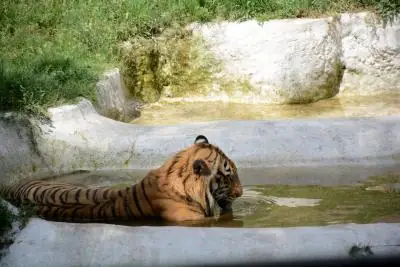
LAHORE, Pakistan – Wildlife authorities in Pakistan’s Punjab province have confiscated 59 big cats from private farms, spotlighting the alarming rise of exotic pet culture in the country. This major operation underscores the growing dangers of keeping dangerous wild animals as status symbols among the elite.
The raid, part of a stringent enforcement drive under new regulations aimed at curbing private ownership and breeding of hazardous wildlife, was prompted by concerns over public safety and animal welfare. Officials emphasized that these predators – including lions and tigers – pose severe risks when housed in inadequate private facilities.
Local media, particularly The Nation newspaper, has fiercely criticized the trend in a hard-hitting editorial titled ‘Endangered Ethics.’ The piece argues that Pakistan, despite signing multiple international wildlife conservation treaties, has long failed to enforce them domestically. This laxity has fueled a shadow economy of breeding and displaying exotic beasts for personal prestige.
‘These seizures mark not just a single bust but the dawn of a broader shift in attitudes toward wildlife,’ the editorial states. It slams private ownership of apex predators as reckless flaunting of social status rather than harmless hobby. Lions and tigers, it notes, are not decorations for farmhouses or props for social media vanity.
Deeper issues lurk beneath the surface. Private zoos and breeding centers in Pakistan often fall short of basic international animal welfare standards. Enclosures are substandard, veterinary care inconsistent, and environmental enrichment – essential for mental and physical stimulation – virtually absent. Animals are stripped of their natural behaviors, social structures, and ecological roles, reduced to mere living trophies.
The consequences are dire: chronic stress, health disorders, and premature deaths that no society claiming to value biodiversity can ignore. The Nation warns that true commitment to conservation demands dismantling the exotic pet culture, tightening licensing, and investing in sanctuaries focused on rehabilitation over exhibition.
Wildlife is our shared ecological heritage, not a luxury commodity. Treating them otherwise is not just tasteless – it’s dangerously irresponsible. This crackdown signals hope for change, but sustained action is crucial to protect both animals and people.