
In a sharp escalation of tensions, Pakistan has formally summoned Afghan diplomats and handed over a strongly worded demarche, accusing the Taliban regime of sheltering terrorists responsible for a deadly suicide bombing in Khyber Pakhtunkhwa’s Bajaur district. The attack, which claimed the lives of 11 security personnel, has reignited longstanding accusations that Afghan soil is being used as a launchpad for cross-border militancy.
Local reports indicate that Pakistan’s Foreign Office summoned the deputy head of the Afghan mission in Islamabad to deliver the protest note. The statement vehemently condemned the vehicle-borne improvised explosive device (VBIED) assault on military and law enforcement checkpoints, followed by intense gunfire. Authorities have linked the perpetrators to the banned Tehreek-e-Taliban Pakistan (TTP), also known as ‘Fitna al-Khawarij’ in official parlance.
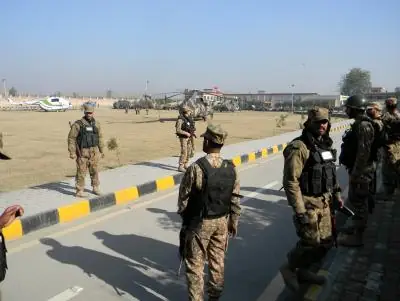
Pakistan asserts that TTP’s leadership operates freely from Afghan territory, directing operations without any interference. Despite repeated assurances from Kabul, Islamabad claims no tangible actions have been taken to dismantle these networks. The military’s media wing, Inter-Services Public Relations (ISPR), detailed how militants rammed an explosives-laden vehicle into a Bajaur checkpost on Monday, killing 11 troops and prompting a fierce counterattack that eliminated 12 attackers.
This incident follows a pattern of mutual recriminations. Earlier this month, Afghanistan’s Defense Ministry dismissed Pakistan’s allegations over a mosque bombing in Islamabad, labeling them ‘irresponsible and baseless.’ Pakistani Defense Minister Khawaja Asif had pointed to initial probes suggesting the attacker shuttled between the two countries.
Kabul countered that premature finger-pointing evades accountability for Pakistan’s internal security lapses, questioning why identified threats weren’t neutralized in time. The Afghan statement urged Islamabad to review its policies in line with Islamic principles, emphasizing that harming innocents is unacceptable.
As border skirmishes and terror strikes persist, both neighbors face mounting pressure to address the root causes of instability. Pakistan’s demarche signals a potential hardening of stance, with calls growing for decisive measures against safe havens across the Durand Line. The international community watches closely, wary of further destabilization in an already volatile region.