
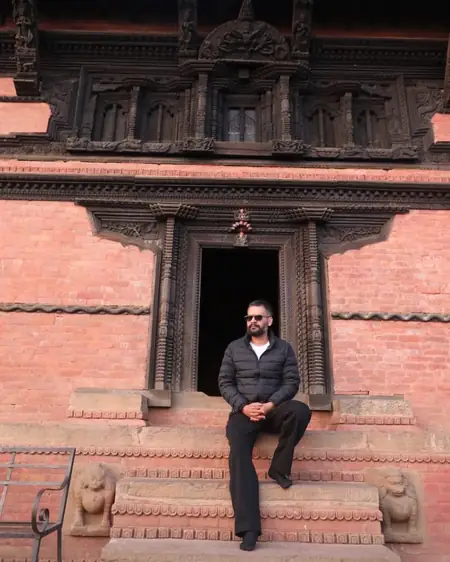
Kathmandu’s political landscape is shifting dramatically following recent elections, offering a fresh chance to mend strained ties between Nepal and India. With the National Independent Party (RSP) emerging as a frontrunner to form the next government, analysts see potential for warmer bilateral relations after years of tension.
Nepal’s voters have delivered what could be a clear mandate for stability, a rarity in the Himalayan nation’s turbulent politics. The RSP, led by the charismatic Balendra Shah, promises a ‘Nepal First’ agenda that prioritizes economic growth and balanced diplomacy. This comes at a time when India-Nepal relations have been tested by border disputes, mutual distrust, and Nepal’s growing tilt toward China.
India has long been Nepal’s closest partner, anchored by the 1950 Peace and Friendship Treaty. The open border facilitates massive people-to-people contact, while India remains the top source of trade and investment. Last year alone, Nepal imported goods worth $8.6 billion from India, dwarfing China’s $1.8 billion contribution.
Recent governments in Kathmandu have oscillated between pro-India and pro-China stances, fueling friction. Border encroachments, security concerns near India’s sensitive Siliguri Corridor, and perceived meddling have all played a role. China’s expanding footprint through initiatives like the Belt and Road has heightened New Delhi’s worries.
The RSP’s manifesto signals a pragmatic shift. Notably absent is mention of the Damak Industrial Park in Jhapa district—a BRI project India views warily due to its proximity to the ‘Chicken’s Neck.’ Instead, the party pledges to review the longstanding currency exchange rate pegging 160 Nepali rupees to 100 Indian rupees, unchanged since 1993. This move could address Nepal’s economic grievances while signaling openness to collaboration.
India’s Ministry of External Affairs welcomed the polls, extending logistical support and expressing hopes for stronger ties with the incoming administration. Former Indian Ambassador Jayant Prasad echoed this optimism, wishing for a mandate that ushers in good governance.
Balendra Shah, an engineer-turned-rapper-turned-politician, embodies this new wave. As mayor, he displayed a ‘Greater Nepal’ map incorporating parts of India, sparking controversy. He once called for banning Indian films portraying Sita as ‘India’s daughter,’ insisting her birthplace lies in Nepal. Yet supporters see him as a nationalist who will prioritize Kathmandu’s interests without alienating neighbors.
If RSP forms a single-party government—the first since 2015’s constitution—this could mark a turning point. With employment and economy topping voter concerns, Shah’s focus on domestic revival might naturally draw Nepal closer to reliable partner India, thawing the ice in bilateral relations.