
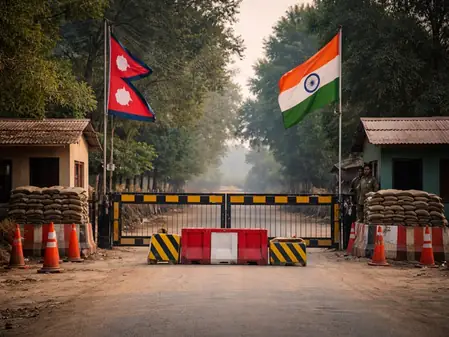
KATHMANDU – As Nepal gears up for its parliamentary elections on March 5, security forces from both Nepal and India have agreed to close all border checkpoints for 72 hours to ensure a secure voting process. This decision aims to prevent any disruptions from cross-border elements during the crucial polls.
The agreement came out of a high-level coordination meeting held on Friday in Biratnagar, Morang district. Representatives from Nepal’s Armed Police Force (APF) and India’s Sashastra Seema Bal (SSB) – at the Deputy Inspector General (DIG) level – participated in the 16th such bilateral session.
Both sides emphasized tightening border controls to stop unwanted infiltrators who could interfere with the elections. APF spokesperson DIG Vishnu Prasad Bhatt confirmed to media outlets that Nepal had requested the closure starting two days before the election, and India promptly agreed. The border posts will remain shut for three full days, including election day itself.
“This is a standard practice ahead of elections in both countries,” Bhatt explained. With heavy security deployments at polling stations, restricting cross-border movement of suspicious groups becomes paramount. The move underscores the deep security cooperation between the two neighbors sharing an open border.
Discussions also covered broader issues like curbing trans-border crimes, preventing illegal entry by third-country nationals, human trafficking, fake currency smuggling, arms trafficking, and narcotics trade. India has long voiced concerns over potential infiltration by Kashmiri and Pakistani terrorists exploiting the porous border.
Additional topics included protecting border pillars, facilitating smoother passenger movement at other times, joint patrols, disaster rescue drills, and even organizing joint sports events to build rapport. Both forces committed to identifying sensitive border points, assessing risks, monitoring refugee and migrant activities, and conducting regular checks at all levels.
This proactive step highlights the commitment to democratic integrity in Nepal while addressing shared security challenges along the 1,800-km frontier. As polling day approaches, heightened vigilance will be key to a peaceful election.