
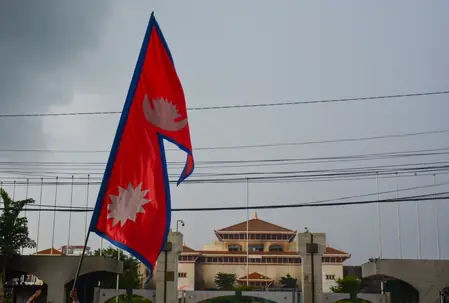
New Delhi, February 9: As Nepal gears up for its crucial parliamentary elections on March 5, 2026, the Election Commission has unveiled a comprehensive list of candidates, marking a significant milestone in the electoral process. The finalized roster features 3,135 aspirants from 63 political parties, each assigned one of 57 election symbols, setting the stage for a highly competitive race.
Among these contenders, 1,772 are women and 1,363 are men, reflecting Nepal’s constitutional mandate under Articles 84 and 86, which reserves at least 33% seats for women. Recent data from 2023-2025 shows 91 women among the 275 House members, with major parties like Nepali Congress and CPN-UML leading in female representation. Notably, local government elections in 2019 saw 14,352 women elected to various positions, underscoring a growing trend of gender inclusivity in Nepalese politics.
With elections approaching, security measures are being ramped up along the India-Nepal border to ensure a smooth voting process. In a proactive step, security officials from both nations have agreed to seal border checkpoints for 72 hours, including election day, to prevent any cross-border disruptions.
This decision emerged from the 16th Deputy Inspector General (DIG)-level coordination meeting held on Friday in Biratnagar, Morang district, between Nepal’s Armed Police Force (APF) and India’s Sashastra Seema Bal (SSB). The talks focused on tightening border controls to thwart infiltration by anti-social elements that could derail the polls.
APF spokesperson DIG Vishnu Prasad Bhatt confirmed to reporters that Nepal requested the closure two days prior to voting, and India promptly agreed. ‘This is a longstanding practice between our countries,’ Bhatt noted, emphasizing the heavy deployment of security personnel at polling stations. Preventing unwanted groups from crossing during this period is critical for safeguarding democracy.
Discussions also covered broader issues like curbing cross-border crimes, stopping illegal entry by third-country nationals, combating human trafficking, counterfeit currency, arms smuggling, and narcotics trade. These joint efforts highlight the strong bilateral ties aimed at fostering a secure electoral environment in Nepal.
As campaigns intensify, this candidate list and enhanced security protocols signal Nepal’s commitment to free and fair elections, with implications for regional stability.