
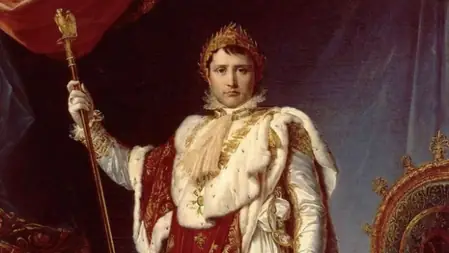
In one of history’s most daring political comebacks, Napoleon Bonaparte escaped his exile on Elba Island and seized control of France once again, launching the legendary ‘Hundred Days’ era. On February 26, 1815, the former emperor set sail with a small band of loyal soldiers, landing on France’s southern coast just days later.
Europe’s monarchs had thought they had rid themselves of the revolutionary firebrand. After his abdication in 1814, a coalition of Britain, Russia, Austria, and Prussia had restored the Bourbon monarchy under King Louis XVIII. But discontent simmered among the French people and military, who remembered Napoleon’s glory days.
From Elba, Napoleon monitored the fragile new regime. Sensing opportunity, he gathered about 1,000 troops and a handful of ships. Reaching Golfe-Juan on March 1, he marched north toward Paris. Royal troops sent to intercept him defected en masse. Facing a regiment, Napoleon famously opened his coat and declared, ‘If any one of you wishes to kill his emperor, here I am.’ Not a shot was fired; they joined him.
By March 20, Napoleon entered Paris triumphantly, reclaiming power without significant bloodshed. The Hundred Days had begun—a frantic period of reforms, army rebuilding, and diplomatic maneuvering. Europe reacted with alarm, forming the Seventh Coalition.
Napoleon’s gamble peaked at the Battle of Waterloo on June 18, 1815. Defeated by British and Prussian forces under Wellington and Blucher, his empire crumbled. Exiled to remote Saint Helena, he died in 1821. Yet, his 100 Days remain a testament to unyielding ambition and the volatility of power.