
Karachi’s streets have been ablaze with protests as residents demand an end to the city’s chronic neglect. On February 14, thousands took to the roads under the banner ‘Let Karachi Live,’ only to face police crackdowns with tear gas shells. This unrest has fueled intense political debates over the metropolis’s future.
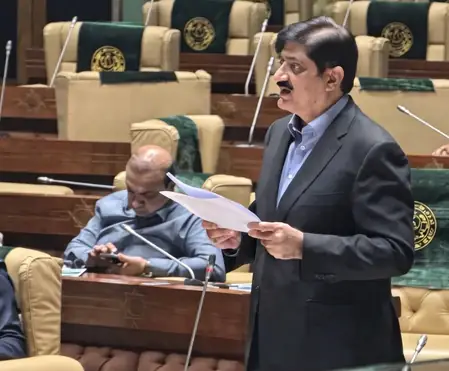
In a decisive move amid the chaos, Sindh Assembly members passed a resolution on Saturday, firmly declaring Karachi as an ‘indivisible part’ of the province. The proposal, tabled by Chief Minister Murad Ali Shah of the Pakistan People’s Party (PPP), explicitly rejects any schemes to carve out Karachi into a separate province or fragment Sindh.
The resolution underscores that ‘Karachi is an integral and inseparable part of Sindh and will remain so forever.’ It appeals to all political parties to shun divisive rhetoric that threatens harmony and national unity. Emphasizing Sindh’s unity, territorial integrity, and historical identity as sacred trusts from ancestors, the assembly vows to protect them through constitutional, democratic, and political means.
This comes in response to repeated calls from the Muttahida Qaumi Movement-Pakistan (MQM-P) for federal intervention in Karachi, proposing it be designated a ‘federal territory.’ Earlier this week, MQM-P’s Mustafa Kamal, who serves as federal health minister, lambasted the provincial administration for systematically ignoring Karachi’s woes.
Replying to opposition debates, CM Shah dismissed claims that the resolution is unconstitutional, challenging critics to point out any legal violations. He highlighted MQM-P’s shifting stance, noting their support for a similar unanimous resolution against Sindh’s division in 2019. The irony is stark: a party allied with PPP nationally now poses a direct provincial challenge.
The assembly stands united beyond party lines to safeguard Sindh’s integrity, honor, and unbroken legacy. As protests simmer, this resolution aims to quell fears and reinforce Karachi’s unbreakable bond with Sindh, signaling a united front against fragmentation.