
In the annals of English literature, few figures evoke as much poignant tragedy and timeless brilliance as John Keats. Born on October 31, 1795, in London, Keats rose from humble beginnings to become one of the Romantic era’s most celebrated voices. His life, cut tragically short at just 25 on February 23, 1821, was a whirlwind of passion, illness, and unparalleled poetic genius.
Keats’ poetry brims with an intoxicating reverence for beauty, nature, and the human spirit. His iconic ‘Ode to a Nightingale’ captures the soul’s yearning for transcendence amid life’s fleeting joys: ‘My heart aches, and a drowsy numbness pains / My sense.’ These lines, penned in 1819, reflect his profound meditation on mortality and ecstasy, themes that permeated his brief career.
Consider ‘Ode on a Grecian Urn,’ where Keats immortalizes his philosophy: ‘Beauty is truth, truth beauty,—that is all / Ye know on earth, and all ye need to know.’ This assertion continues to spark debates in literary circles, underscoring his belief in art’s eternal power to reveal deeper truths.
Autumn, too, finds exquisite expression in his ode ‘To Autumn,’ portraying the season’s ripe abundance and inevitable decay. ‘Season of mists and mellow fruitfulness,’ he begins, weaving imagery of harvest and quiet resignation that mirrors life’s cycles.
Keats’ epic ‘Endymion’ opens with the enduring line, ‘A thing of beauty is a joy for ever,’ a mantra that has inspired generations despite early harsh reviews. His personal struggles—family losses, poverty, and a fatal battle with tuberculosis—only amplified his work’s intensity.
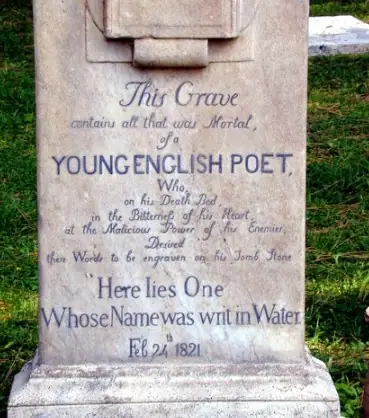
Friends buried him in Rome’s Protestant Cemetery, inscribing his epitaph as per his wish: ‘Here lies one whose name was writ in water.’ Yet, through verses that blend sensory richness with philosophical depth, Keats achieved immortality, standing shoulder-to-shoulder with Shelley and Byron as a Romantic titan.