
In a significant diplomatic shift, Italy and Poland have officially distanced themselves from U.S. President Donald Trump’s proposed ‘Board of Peace.’ Both nations made their positions clear on Wednesday, citing unique domestic constraints amid escalating global tensions.
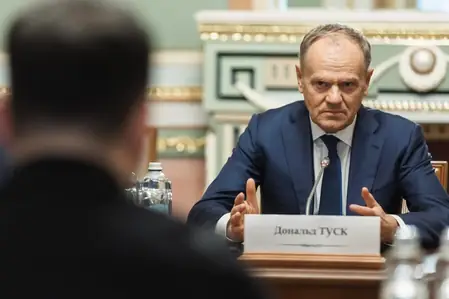
Poland’s Prime Minister Donald Tusk addressed the issue during a government meeting, emphasizing the current geopolitical landscape. ‘Given the prevailing circumstances, Poland will not join the U.S.-led Board of Peace at this time, though we will continue to monitor its developments closely,’ Tusk stated. He highlighted national reservations about the board’s structure, particularly ahead of a National Security Council session where the topic was on the agenda alongside discussions with political rival Karol Nawrocki.
Italy echoed this sentiment with Foreign Minister Antonio Tajani pointing to constitutional barriers. ‘Italy cannot participate due to clear constitutional challenges,’ Tajani told Sky TG24. He explained that Italian law mandates equal terms for any international body, a condition unmet by the board’s framework, which grants Trump excessive executive authority.
Prime Minister Giorgia Meloni had previously urged Trump to amend the terms to accommodate Italy, but those efforts appear to have fallen short. The Board of Peace originated as a compact group to oversee a Gaza ceasefire but has since ballooned in ambition. Trump expanded invitations to dozens of countries, positioning it as a potential global mediator beyond the Middle East.
While Pakistan, Egypt, and Turkey have accepted, rejections from France, Norway, Sweden, and the UK underscore divisions. This latest pullback by key European allies raises questions about the board’s viability and Trump’s influence in multilateral diplomacy. As conflicts rage, the absence of unified Western support could hinder its effectiveness, prompting analysts to debate whether it’s a visionary initiative or an overreach.