
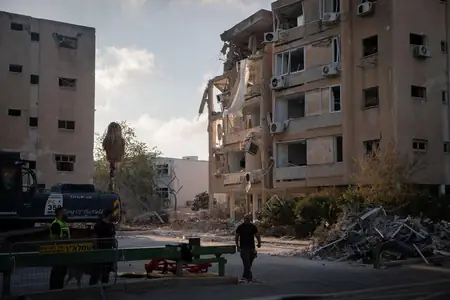
Tehran erupted in a series of massive explosions on Saturday, as Israel carried out what it described as a preemptive missile strike against Iran. Local reports confirmed the blasts rocked the Iranian capital around Indian Standard Time, amid soaring tensions in the Middle East.
The attacks come at a critical juncture, with the United States and Iran locked in delicate nuclear negotiations. Fears of a broader regional conflict have intensified, casting a shadow over diplomatic efforts. Eyewitnesses and social media footage captured thick plumes of smoke rising near Pasher Street, an area housing key government buildings. Missiles reportedly struck University Street and the Jomhuri district, sending shockwaves through the city.
Casualty figures and the extent of damage remain unclear as emergency services scramble to respond. In anticipation of retaliatory fire, Israel’s military activated air raid sirens across multiple regions, urging civilians to seek shelter. ‘This proactive measure prepares our citizens for potential incoming missiles,’ an IDF spokesperson stated.
Schools nationwide were shuttered, remote work mandated, and public gatherings banned to safeguard lives. The military emphasized these steps ensure public safety against any counterstrikes from Iran or its proxies. This escalation marks a dangerous turn in the long-simmering shadow war between Israel and Iran, evolving from covert operations to overt aerial assaults.
Just days earlier, U.S. President Donald Trump labeled Iran as ‘extremely dangerous’ and vowed tough handling. Geneva talks between Iranian and American officials wrapped up their third round on Thursday, with another session slated for later. As the world watches, the risk of all-out confrontation looms larger than ever, threatening fragile peace initiatives in the volatile region.