
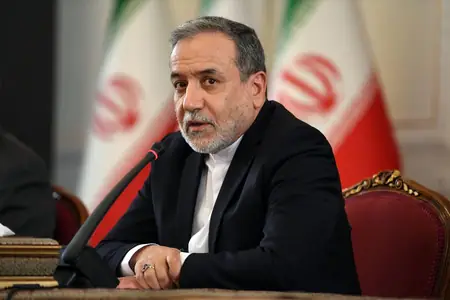
Tehran is sending a strong signal in its nuclear diplomacy with the United States. Foreign Minister Seyed Abbas Araghchi departed for Geneva on Wednesday, leading a political delegation to the third round of indirect negotiations. These talks come amid heightened tensions in West Asia due to American military deployments in the region.
Araghchi took to social media platform X on Tuesday, announcing Iran’s commitment to resuming discussions with the US on Thursday. He emphasized a resolve for a just and balanced agreement, highlighting a historic opportunity for both sides to forge a deal addressing mutual concerns and safeguarding shared interests. Diplomacy, he stressed, remains the path forward if prioritized.
The Iranian Parliament Speaker Mohammad Bagher Ghalibaf echoed this stance, declaring all options open against the US—from dignified diplomacy to defensive measures that induce regret. Meanwhile, US President Donald Trump reiterated his preference for resolving the Iran standoff through talks but drew a firm red line: Iran will never be allowed nuclear weapons under his watch.
Adding to the momentum, Iran’s Deputy Foreign Minister for Political Affairs Majid Takht Ravanchi told NPR radio that Tehran is prepared to do whatever necessary to secure a nuclear deal. Entering the Geneva talks with full honesty and goodwill, he expressed hope for reciprocal positivity from the American side. With political will across the board, Ravanchi is confident an agreement is within reach soon.
As global eyes turn to Geneva, these negotiations represent a pivotal moment. Success could de-escalate regional volatility and reset US-Iran relations, but failure risks further escalation. Iran’s leadership has positioned itself for constructive engagement, betting on diplomacy to navigate longstanding nuclear disputes.