
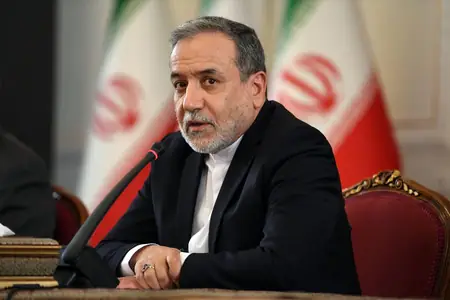
Tehran is intensifying diplomatic outreach amid escalating tensions with the United States over its nuclear program. On Friday, Iranian Foreign Minister Seyed Abbas Araghchi held separate phone conversations with his counterparts from Egypt and Russia, focusing on the latest developments in the indirect nuclear negotiations between Iran and America.
In his discussion with Egyptian Foreign Minister Badr Abdelatty, Araghchi highlighted the second round of talks held in Geneva on Tuesday. He outlined Iran’s efforts to draft a negotiation framework grounded in mutual respect and shared interests. Abdelatty welcomed the ongoing diplomatic process and stressed the need for continued consultations to forge an acceptable structure for all involved parties.
Meanwhile, Araghchi’s call with Russian Foreign Minister Sergey Lavrov delved into the current status of Iran’s nuclear activities, including outcomes from the Geneva indirect contacts. Lavrov reaffirmed Russia’s backing for the talks, advocating for a resolution that upholds Iran’s legitimate rights while aligning with Nuclear Non-Proliferation Treaty principles, paving the way for a fair political and diplomatic path.
These conversations unfold against a backdrop of heightened friction. Regional U.S. military movements have intensified, signaling potential escalations. U.S. President Donald Trump issued a stark ultimatum on Thursday, giving Iran 10 to 15 days to reach a nuclear deal or face ‘serious consequences.’
Reports from The Wall Street Journal indicate the Trump administration is weighing limited military strikes to pressure Tehran. Sources suggest any approved action could target select military or government sites within days. If Iran rejects U.S. demands, broader campaigns against Iranian institutions might follow, aimed at squeezing the Tehran regime.
Trump has yet to greenlight any strikes, deliberating options from restrained operations to full-scale assaults. Iran’s diplomatic maneuvers with allies like Egypt and Russia underscore Tehran’s strategy to build international support while navigating these high-stakes U.S. threats. As negotiations progress, the world watches closely for signs of breakthrough or breakdown in this volatile nuclear standoff.