
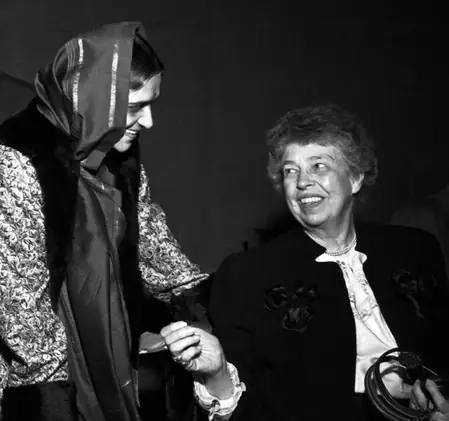
UNITED NATIONS, March 8 – In a powerful tribute, UN General Assembly President Annalena Baerbock hailed Indian human rights pioneer Hansa Mehta as a timeless beacon for women’s equality. Speaking at a memorial event, she linked Mehta’s historic stand to today’s battles over AI-driven threats to women.
Baerbock emphasized that Mehta’s unyielding push to rewrite the Universal Declaration of Human Rights (UDHR) remains crucial amid rapid tech advances. ‘As we craft new AI regulations, we must daily remind ourselves to stand firm, just as Hansa Mehta did,’ she declared.
Mehta, a key figure in 1948, transformed the UDHR’s first article from ‘all men’ to ‘all human beings are born free and equal.’ This shift embedded gender equality into global human rights law, opening doors for women worldwide.
At the annual Hansa Mehta Memorial Lecture hosted by India’s UN mission, Baerbock praised Mehta’s role in the Indian Constitution drafting as one of just 15 women members. Her legacy, she said, lives in the UDHR’s foundational principles.
The event’s theme, ‘Breaking Barriers for Social Transformation: The Inspiring Life of Dr. Hansa Mehta,’ spotlighted AI’s double edge. While promising progress, digital tools often sideline women, with unequal access and targeted harms like deepfake pornography affecting 96% women without consent.
Baerbock warned of these perils, urging robust regulations. She commended India’s hosting of the second AI Impact Summit as a commitment to inclusive tech development. ‘If one person can spark such change, imagine what humanity united can achieve,’ she concluded, rallying for a fairer digital future.