
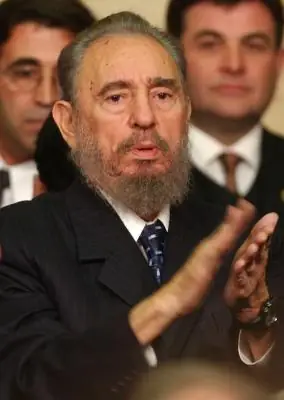
In a move that marked the end of an era, Fidel Castro formally stepped down from power on February 19, 2008, after nearly five decades at the helm of Cuba. This wasn’t merely a resignation; it was the curtain call on a revolutionary chapter that reshaped not just a small Caribbean island but the contours of global Cold War politics.
Rising from the ashes of the 1959 Cuban Revolution, Castro toppled a U.S.-backed regime and installed a one-party socialist system. His alliance with the Soviet Union and frosty ties with Washington thrust Cuba into the international spotlight. The 1962 Cuban Missile Crisis stands as a stark reminder of his defiance, bringing the world perilously close to nuclear catastrophe. Castro, the guerrilla maestro, proudly proclaimed Cuba as the world’s safest nation amid relentless American pressure.
Domestically, his leadership revolutionized education and healthcare. Cuba’s literacy rate soared to near perfection, and its primary health system became a model for developing nations. Yet, detractors highlight the suppression of free speech and political dissent, painting a picture of authoritarian control that polarized opinions on his legacy.
Health woes forced a provisional handover to his brother Raul in 2006, made permanent two years later. Raul introduced modest economic reforms, allowing small private enterprises and opening doors to foreign investment. Fidel’s influence lingered, but time eroded it inevitably.
On the world stage, a historic thaw came in 2014 under U.S. President Barack Obama, easing decades of embargo. However, Donald Trump’s administration reimposed stringent sanctions, exacerbating Cuba’s economic strains. Today, under President Miguel Díaz-Canel, the nation grapples with inflation, shortages, and sluggish reforms within its rigid one-party framework. As Cuba navigates these turbulent waters, Castro’s story of resistance and reinvention continues to echo, defining its unique place on the global map.