
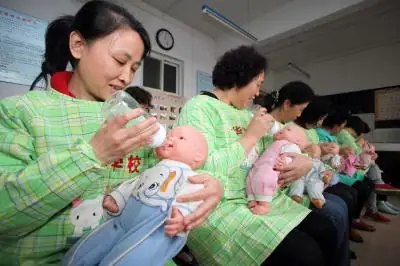
Beijing’s iron-fisted one-child policy, once a cornerstone of China’s population control, is now history. In a stunning reversal, the government is pleading with women to have more children as the nation’s birth rate plummets to unprecedented lows. Official data released in January paints a grim picture: only 7.92 million babies were born in 2025, down a staggering 17% from 9.54 million in 2024. That’s the lowest fertility rate since modern records began in 1949 – just 5.63 births per 1,000 people.
This demographic crisis stems from decades of state intervention. From 1979, the one-child rule brutally curbed population growth, enforcing forced abortions, sterilizations, and harsh penalties that scarred generations of women. Families desperately preferred sons, skewing the gender ratio and leaving millions of men without partners today.
China scrapped the one-child policy in 2016 for a two-child limit, then expanded to three in 2021. Yet, births keep falling. Why? Young couples cite soaring living costs, career pressures, workplace discrimination against mothers, and overwhelming parenting responsibilities. Even as incentives like extended maternity leave roll out, many women remain wary.
Critics argue Beijing still views childbirth as an economic tool, not a personal choice. ‘The shift from restriction to encouragement exposes a deeper flaw,’ says a recent analysis. ‘Policies ignore individual freedoms in favor of national growth targets.’ With fewer women of childbearing age due to past imbalances, time is running out. Can cash handouts and propaganda reverse the tide, or is China’s population implosion inevitable?