
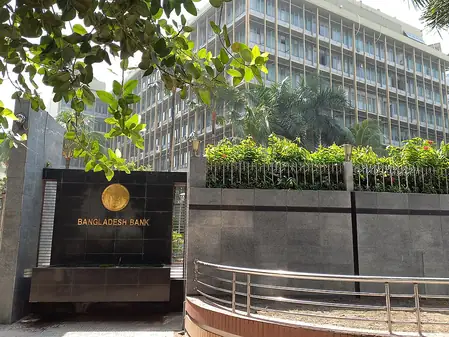
Dhaka erupted in shock this week as a senior advisor was forcibly removed from the Bangladesh Bank headquarters in a scene straight out of a bad movie. Eyewitnesses described a mob of around 30 officials chanting slogans, shoving the advisor into a car, and even attempting physical assault. This unprecedented chaos at the nation’s financial nerve center has raised serious questions about internal discipline and governance.
The incident unfolded just days after Governor Ahsan H Mansur, a veteran economist credited with kickstarting long-overdue banking reforms, was abruptly sacked. Mansur had been pushing mergers of weak banks, tightening oversight, and cracking down on willful defaulters—moves that undoubtedly ruffled feathers among vested interests. His ouster came immediately after a press briefing, followed swiftly by talks of a new appointment.
But the real shocker was the treatment of senior advisor Ahsan Ullah. Led by Additional Director Tauhidul Islam, with Executive Director Sarwar Hussain, Director Naushad Mustafa, and others in tow, the group stormed the premises. Dhaka Tribune, quoting witnesses, called it nothing short of ‘hooliganism’—a shameful blot on an institution tasked with safeguarding the country’s financial stability.
This melee exposes deep fissures within Bangladesh Bank. How can the public trust a central bank where officials behave like thugs? The paper laments the loss of Mansur’s expertise at a time when the banking sector is already battered by non-performing loans and governance lapses. Government inaction could erode confidence further, dooming fragile reforms.
Calls are growing for swift disciplinary action. Restoring order isn’t just about punishment; it’s about reclaiming credibility. Policymakers must ensure that fear-mongers don’t dictate the central bank’s direction. Anything less betrays public trust and leaves the economy vulnerable to more turmoil.