
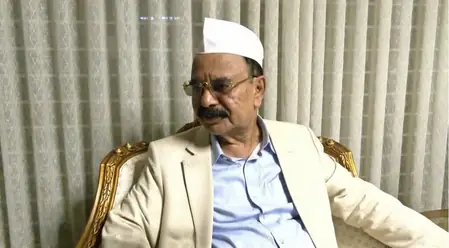
In a landmark outcome from Bangladesh’s 13th parliamentary elections, three Hindu candidates from the Bangladesh Nationalist Party (BNP) have secured victories, marking a significant moment for minority representation. Among them, Goyeshwar Chandra Roy, speaking exclusively to IANS, emphasized that these wins underscore a relationship of mutual respect and equality between India and Bangladesh.
The elections saw BNP dominating with 211 seats out of 299, while Jamaat-e-Islami claimed 68. Roy, reflecting on his win, outlined his immediate priorities: fulfilling pre-election commitments to the people. ‘We promised free and fair elections and laid out 31 reform agendas covering education, health, sports, culture, development, law, justice, and rule of law,’ he said. Implementation, he stressed, would be gradual but steadfast, demonstrating unwavering commitment.
Addressing inter-community harmony, Roy highlighted Bangladesh’s longstanding tradition of communal amity. ‘For thousands of years, people of different faiths have lived together, celebrating Puja and Eid jointly without discord,’ he noted. Upholding the rule of law ensures equal rights for all, regardless of faith—Muslim, Hindu, Buddhist, or others.
On protecting minority rights, Roy rejected divisive labels. ‘We are all Bangladeshis from the same soil. Challenges faced by the poor and vulnerable are universal across communities,’ he asserted. True justice and security for every citizen will naturally safeguard everyone.
Priorities for the Hindu community mirror those for all: education, healthcare, safety, social protection, and religious freedom. ‘No distinction between Muslims and Hindus in rights and opportunities,’ Roy affirmed.
Roy shared personal anecdotes to illustrate religious unity. His annual Durga Puja at home draws 20,000-25,000 attendees, 80% of whom are Muslims, including women and children. Similarly, he hosts gatherings post-Eid, fostering shared joy while respecting private rituals.
Commenting on Prime Minister Narendra Modi’s congratulatory message to the new leadership, Roy praised it as a democratic gesture reflecting political maturity and mutual respect.
Finally, on India-Bangladesh relations, Roy advocated for ties based on equality, mutual benefit, and respect, independent of individuals or parties. ‘As sovereign nations, big or small, rich or poor, we deserve equal dignity. History shows our bonds endure across governments,’ he concluded, envisioning stable, people-centric diplomacy with neighbors like India, the US, and EU.