
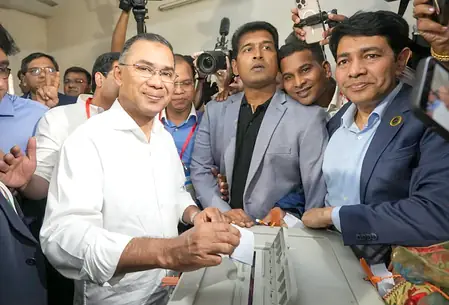
New Delhi, February 13. In a seismic shift for South Asian geopolitics, Bangladesh Nationalist Party (BNP)-led alliance clinched over 200 seats in Thursday’s parliamentary elections, results announced Friday confirm. Nearly 18 months after Sheikh Hasina’s ouster, BNP is set to form a majority government, raising critical questions about its implications for India and the broader region.
India-Bangladesh ties, once robust under Hasina, soured during Muhammad Yunus’s interim rule. Tensions escalated with Pakistan gaining foothold, ISI reportedly ramping up activities, training youths allegedly for anti-India operations. BNP’s return could pivot this dynamic. While historically frosty under Khaleda Zia, Tarique Rahman’s leadership might foster diplomatic thaw, spotlighting border security, illegal migration, and Teesta water-sharing disputes.
China’s shadow looms large, eyeing Chittagong port. Yunus-era rumors of handing port controls to Beijing threatened Indian interests in the Bay of Bengal. BNP may deepen infrastructure ties with China, intensifying strategic rivalry in the Indian Ocean. Meanwhile, Pakistan-Bangladesh bonhomie might cool, reshaping regional balances.
Security alerts in India’s Northeast and Bay of Bengal could heighten. SAARC revival efforts may gain traction, hinging on bilateral rapport. Economically, Bangladesh remains a key Indian export market; policy shifts could ripple through trade. Experts foresee improved relations, averting worse scenarios like Jamaat-e-Islami’s resurgence, but vigilance is paramount as Dhaka’s new guard navigates power.