
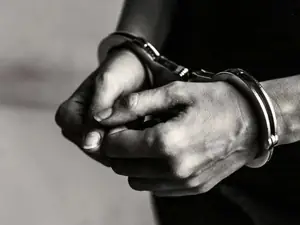
In a shocking escalation of political tensions in Bangladesh, police have received direct orders to rearrest Awami League leaders immediately after their court-granted bails. This controversial directive, issued by Rajshahi Range Deputy Inspector General Mohammad Shahjahan, has drawn sharp condemnation from the international human rights group Justice Makers Bangladesh (JMBAF), based in France.
The ‘special directive’ explicitly instructs law enforcement agencies to detain Awami League figures and activists again, even as they walk free from court on bail in one case, citing fresh charges in others. JMBAF labeled this move as a blatant attempt to undermine judicial authority and violate constitutional protections.
‘Granting bail by a competent court is a sacred judicial process,’ JMBAF stated in a strongly worded release. ‘Circumventing it through administrative fiat not only erodes the rule of law but also tramples on fundamental human rights enshrined in Bangladesh’s constitution, including personal liberty and fair trial guarantees.’
The organization highlighted how such actions disrupt the separation of powers, turning the judiciary into a mere rubber stamp while empowering unchecked executive discretion. Founder Shahnoor Islam warned that under the BNP-led coalition government headed by Prime Minister Tarique Rahman, the machinery of state is being weaponized for political vendettas, echoing the failures of previous interim regimes.
‘This isn’t isolated maladministration; it’s a calculated strategy to sideline court orders and pursue retribution,’ Islam asserted. He pointed to a growing pattern where bail decisions are routinely ignored, fostering a culture of impunity that threatens democratic foundations.
JMBAF has demanded the immediate withdrawal of the directive, an end to politically motivated arrests, and full enforcement of judicial rulings. They also called for an independent probe commission monitored by global human rights bodies to restore faith in Bangladesh’s legal system.
As Bangladesh navigates its fragile post-election landscape, this episode underscores the urgent need for accountability. Failure to act could relegate the nation’s rule of law to symbolic status, paving the way for authoritarian overreach in the guise of governance.