
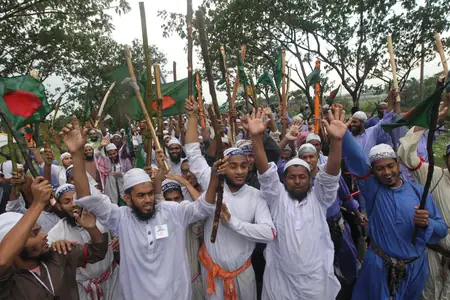
Dhaka is bracing for national elections on February 12, but a shadow of fear looms large over the country’s minority communities. A recent report highlights how escalating extremism and political turmoil have left Hindus, Christians, and Buddhists feeling more vulnerable than ever.
The atmosphere in Bangladesh is thick with uncertainty, according to Bruce Allen of Forgotten Missionaries International. Speaking to Mission Network News, Allen pointed to the interim government led by Nobel laureate Muhammad Yunus, criticizing its apparent indifference to rising militancy. This neglect, he argues, has fueled persecution, public anger, and soaring inflation, plunging the nation into chaos.
“The situation is completely messed up,” Allen stated bluntly. While citizens await the polls, widespread discontent simmers beneath the surface. The youth-driven political movements, particularly among Generation Z, appear fragmented. Last December, the student-led National Citizen Party forged an alliance with Jamaat-e-Islami, a group with a controversial history, further complicating the landscape.
Minorities bear the brunt of this instability. “Radical Muslims are becoming more active amid the anarchy,” Allen warned. Churches face severe threats, with pastors and congregations living in constant peril. One stark example is Pastor Mintu, whose church construction project has been stalled for over 18 months due to fierce opposition from Muslim neighbors.
Many Christians occupy land that doesn’t legally belong to them—often government or Muslim-owned plots—leaving them at risk of eviction at any moment. In a Muslim-majority society wielding significant power, maintaining delicate relations is a daily survival tactic for these communities. As elections approach, the report urges global attention to protect these vulnerable groups from further escalation.