
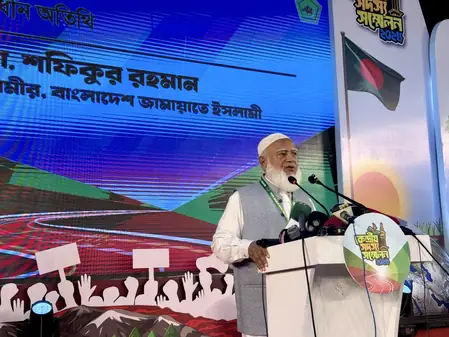
In the bustling political arena of Bangladesh ahead of elections, Jamaat-e-Islami, the country’s hardline Islamic party, has rolled out a manifesto brimming with pledges for women’s representation and safety. Yet, a new report from Maldives Insight casts serious doubt on these claims, arguing that the party’s longstanding conservative ideology remains firmly intact.
The report highlights a glaring disconnect: while Jamaat vows to protect women and include them in government, it has fielded zero female candidates in the upcoming polls. Party leader Shafiqur Rahman has repeatedly emphasized women’s ‘security and dignity’ at rallies, promising safe workplaces, maternity leave provisions, dedicated bus services, CCTV surveillance, and emergency hotlines.
However, these initiatives, the analysis suggests, prioritize paternalistic protection over true empowerment. ‘Women are portrayed as vulnerable beings needing safeguarding rather than equals in public life,’ the report states. Jamaat’s ambiguous stance on Sharia law further fuels concerns that any female inclusion would be superficial, confined to subordinate roles.
Leadership positions within the party remain exclusively male-dominated, with explicit statements barring women from top posts. This reality undermines manifesto promises of cabinet spots for women, ethnic, and religious minorities. Historically, Jamaat has confined women to domestic spheres, a rhetoric that persists despite electoral posturing.
As Bangladesh gears up for pivotal elections, voters must scrutinize whether Jamaat’s overtures signal genuine reform or mere electioneering tactics. The report concludes that without structural changes—like fielding women candidates and elevating them to leadership—the party’s commitment to gender equality rings hollow.