
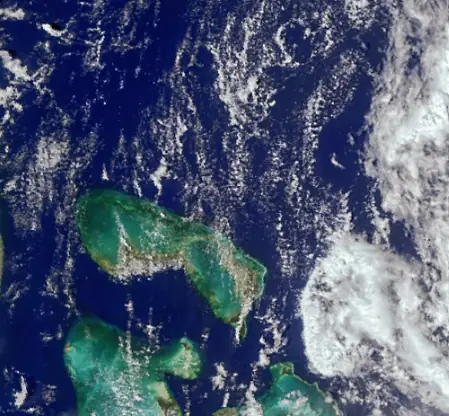
Ever gazed at the sea and wondered why it sometimes shimmers blue, other times glows green or even yellow? Scientists have unraveled the mystery behind these vibrant ocean hues, revealing a fascinating interplay of sunlight, microscopic life, and water chemistry.
NASA’s ocean color research shows that pure water absorbs most light wavelengths except blue, making clear oceans appear that classic azure shade. But introduce phytoplankton—tiny plant-like organisms packed with chlorophyll—and the scene changes dramatically. These microscopic powerhouses reflect green light, turning productive coastal waters into emerald expanses.
In highly active biological zones, green dominates as phytoplankton thrive on nutrients. Deeper, less fertile areas stay blue. Yellowish or reddish tinges emerge from mineral particles, dissolved organics, or algal blooms. These color shifts aren’t just pretty; they’re vital signs of ocean health.
Researchers use satellite data to monitor these changes, spotting harmful algal blooms early. These toxic outbreaks can devastate fisheries, poison marine life, and threaten human health through contaminated seafood. By tracking ocean color, experts predict blooms, safeguard aquaculture, and guide fishermen to rich fishing grounds.
NASA’s PACE mission, launched February 8, 2024, takes this to new heights. Orbiting Earth, it measures light at hyperspectral resolutions, identifying specific plankton types and their distributions. This data illuminates food webs, aerosol interactions, cloud formations, and climate impacts—freely available to scientists and the public alike.
Partnering with NOAA, PACE refines ecosystem models, verifies climate predictions, and enhances disaster response. From air quality monitoring to ecological forecasting, these insights empower better ocean management amid climate change. As oceans warm and acidify, understanding color variations becomes crucial for sustaining marine resources and coastal communities worldwide.