
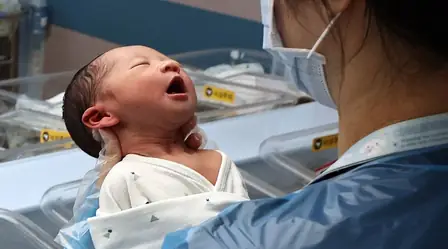
In a surprising turnaround, South Korea has witnessed a significant uptick in its birth rates after more than a decade of decline. Official data reveals that 2025 marked the sharpest increase in newborn numbers over the past 15 years, pushing the nation’s total fertility rate to 0.8 for the first time in four years.
Statistics from the Ministry of Data and Statistics show that 254,500 babies were born last year, a 6.8% jump or 16,100 more than in 2024. This is only the second time since 2010 that births have risen, with final figures expected in August.
The fertility rate climbed from 0.75 to 0.8, the largest yearly gain in recent memory. Experts attribute this to a surge in marriages delayed by the COVID-19 pandemic and a growing population of women in their prime childbearing years, aged 30 and above, since 2021.
From April 2024 to December, weddings increased for 21 straight months as couples postponed during the health crisis finally tied the knot. This marital boom has directly correlated with higher birth rates.
Government officials note a shift in societal attitudes toward parenthood. A 2024 survey indicates more people desire children after marriage compared to two years prior, with even a rise in willingness for births outside wedlock.
Looking ahead, the ministry anticipates the fertility rate to hold above 0.8 this year and reach 1.0 by 2031. However, deaths rose 1.3% to 363,400 in 2025, leading to a natural population drop of 110,000.
This development offers hope amid South Korea’s long battle with one of the world’s lowest fertility rates, signaling potential demographic recovery.