
In a dramatic reversal, the Pakistan Cricket Board (PCB) has withdrawn its decision to boycott the upcoming match against India in the 2026 T20 World Cup, scheduled for February 15. The move comes amid mounting fears of severe financial repercussions, according to former Indian cricketer Madan Lal.
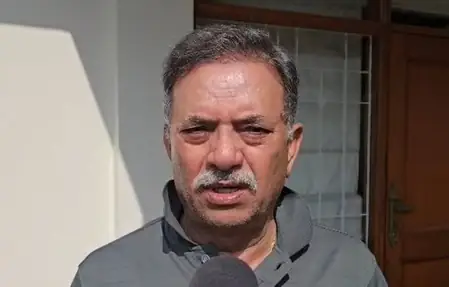
Speaking exclusively, Madan Lal described the PCB’s U-turn as a forced necessity. ‘This was always on the cards,’ he stated. ‘Boycotting India would have inflicted massive economic damage on Pakistan. The ICC wouldn’t hesitate to impose harsh penalties, creating long-term hurdles for them. Playing India was simply in their best interest.’
Lal dismissed Pakistan’s claim that they reversed course due to pressure from Bangladesh and Sri Lanka. ‘Do they lack their own judgment? They made a wrong call initially and have now corrected it. The ICC hasn’t entertained PCB’s demands. Whether India plays Pakistan is BCCI’s call, not ICC’s.’
Highlighting Pakistan’s fragile economy, Lal questioned how they could sustain cricket without high-stakes India matches. ‘The loss would hurt Pakistan far more than BCCI or ICC. That’s why they backed down.’
On the rivalry’s intensity, Lal noted, ‘India-Pakistan clashes always generate electric excitement. In T20, anything can happen, but Pakistan will feel the pressure.’
Former cricketer and Kalighat Club coach Hirak Sengupta echoed similar sentiments, warning Pakistan against clashing with the ICC. ‘The World Cup is ICC’s event, not BCCI’s. With India leading global cricket, Pakistan had no choice.’ He predicted a resounding Indian victory, calling it a ‘slap in the face’ for Pakistan given India’s dominant batting form.
Cricket coach Manik Ghosh emphasized the match’s revenue potential for the ICC. ‘India-Pakistan games are goldmines. Skipping it would devastate Pakistan financially, especially in their current state. This reversal is good for cricket.’ He also pointed to lingering tensions, noting some in India oppose the fixture and Indian players often avoid post-match handshakes with Pakistani counterparts.