
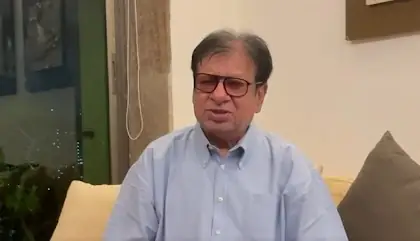
In the rich tapestry of Indian cricket, few names evoke the golden era of the 1970s like Karsan Ghavri. Born in Rajkot on February 28, 1951, this left-arm pace bowler became a cornerstone of Team India’s triumphs against formidable opponents. As Saurashtra’s gift to the nation, Ghavri’s journey from domestic fields to international stardom mirrors the grit that defines Indian cricket’s evolution.
Ghavri, whose full name is Karsan Devjibhai Ghavri, was a rare breed—a left-handed batsman and bowler who could swing the ball at medium pace or extract spin when needed. Starting his domestic career with Saurashtra, he later donned Mumbai’s colors, amassing 452 wickets in 159 first-class matches and 47 in 43 List A games. His versatility made him a nightmare for batsmen across formats.
Debuting in Test cricket against West Indies in December 1974, Ghavri’s international career spanned until 1981. He featured in 39 Tests and 19 ODIs, claiming 109 Test wickets and 15 in ODIs. A handy lower-order batter, he scored 913 Test runs, including two fifties, with a best of 86.
His pinnacle came during the 1978-79 home Test series against West Indies, where he snared 27 wickets across six matches, powering India to a historic 1-0 series win. That spell showcased his mastery, troubling legends with seam movement and accuracy. Earlier, in 1978, he partnered a debutant Kapil Dev against Pakistan, forming an iconic new-ball duo.
Ghavri also shone in the 1975 and 1981 World Cups, embodying India’s fighting spirit. Post-retirement, he transitioned to coaching, leading Tripura in 2006 and Saurashtra in 2019 as head coach. At 75, the veteran remains active, mentoring young talents and sharing wisdom from a career that helped shape modern Indian cricket.
Ghavri’s legacy endures as a symbol of perseverance, reminding us how individual brilliance can tilt series and inspire generations.