
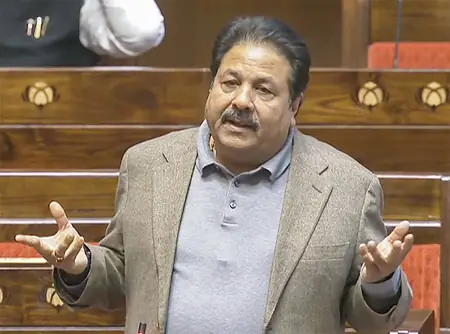
New Delhi buzzed with controversy as BCCI Vice President Rajiv Shukla took to social media to expose a deceptive audio clip circulating on a Pakistani television show. The clip, falsely attributed to him, discussed the upcoming India-Pakistan T20 World Cup clash and was entirely fabricated using artificial intelligence.
Shukla wasted no time in clarifying the matter on platform X, urging fans and followers not to fall for the misleading content. ‘A video about the India-Pakistan World Cup match has had its audio altered using AI. These are not my words,’ he posted emphatically. He called on everyone to report such videos wherever they appear and refrain from sharing them.
The controversy erupted on a popular Pakistani cricket show hosted by former player Shoaib Malik, aired on ARY News. Malik introduced what he claimed was a clip from Shukla, commenting on Pakistan’s supposed U-turn regarding a proposed boycott of the high-stakes match.
In the viral segment, a voice mimicking Shukla’s could be heard praising the ICC’s intervention. ‘I’m delighted with the outcome of the talks initiated by the ICC representative at BCCI’s repeated insistence, convincing Pakistan to play against India. It’s a good solution, a mutual agreement prioritizing cricket,’ the fake audio stated.
This deepfake contrasted sharply with Shukla’s actual statements earlier in the week. Speaking to reporters on Tuesday, he had commended the ICC’s diplomatic efforts without any reference to pressuring Pakistan. ‘I’m happy with the result of the discussions started by the ICC rep, overseen by the chairman, involving talks in Lahore with PCB and BCB. It’s a friendly resolution putting cricket first,’ he had said genuinely.
The incident underscores the growing threat of AI-generated misinformation in sports journalism, especially amid tense India-Pakistan cricket rivalries. As the T20 World Cup approaches, authorities and fans alike must stay vigilant against such manipulations that could inflame passions unnecessarily.
Shukla’s swift response not only neutralized the fake narrative but also highlighted the need for media literacy in the digital age. Cricket enthusiasts worldwide are reminded to verify sources before sharing sensational content.