
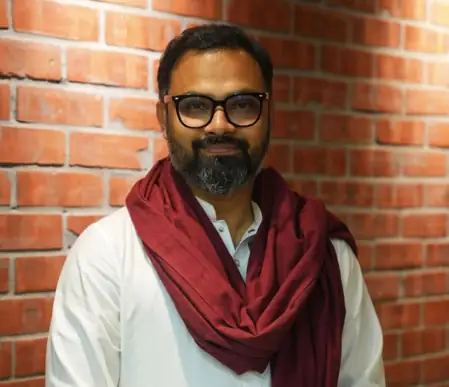
Dhaka’s new sports minister, Aminul Haq, has extended an olive branch to India amid strained cricket ties. Freshly sworn in under the leadership of Prime Minister Tarique Rahman, who is working to mend bilateral relations soured over the past year, Haq emphasized his desire for improved relations with the Board of Control for Cricket in India (BCCI).
In his first official remarks, Haq revealed a productive meeting with India’s Deputy High Commissioner at the Parliament House. The discussion centered on the contentious T20 World Cup 2026 participation. ‘It was a positive conversation,’ Haq stated. ‘We want to resolve this issue through dialogue swiftly. Bangladesh aims to foster friendly ties with all neighboring countries.’
The backdrop to this diplomatic outreach is a series of events triggered by violence against Hindus in Bangladesh. The BCCI directed Kolkata Knight Riders (KKR) to drop Bangladeshi pacer Mustafizur Rahman from their IPL 2026 squad, a move KKR complied with. In retaliation, the Bangladesh Cricket Board (BCB) refused to send its team to India for the World Cup and requested a venue shift to Sri Lanka. When the ICC rejected this, the BCB, on government advice, withdrew entirely, paving the way for Scotland to take their spot.
Haq lamented the missed opportunity: ‘Political troubles prevented us from participating. Had discussions happened earlier, solutions could have been found, and our team would have competed.’ He underscored that Bangladesh seeks not just sporting harmony but robust cooperation across sectors with India.
As Tarique Rahman’s administration stabilizes, this gesture signals a broader push to reset India-Bangladesh relations. Cricket, often a bridge between South Asian nations, could once again symbolize unity if negotiations succeed. Stakeholders watch closely as both sides navigate this delicate path forward.