
New Delhi’s India Mandapam turned into a political battleground during the India AI Impact Summit 2026, as Youth Congress activists staged a shirtless demonstration that drew sharp condemnation from across the political spectrum. BJP leaders and others slammed the move, while a group of 277 prominent figures, including former judges and officials, issued a strongly worded letter denouncing the protest as a direct assault on the nation’s dignity.
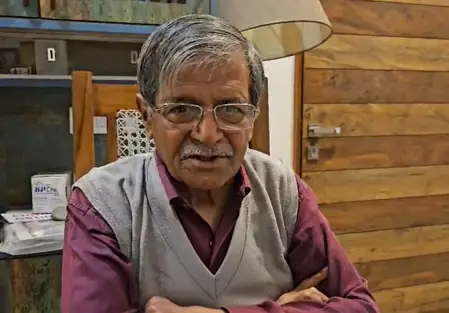
Former Delhi High Court Judge Justice S.N. Dhingra, a key signatory to the letter titled ‘National Disgrace,’ told reporters that the Youth Congress’s antics were not just legally questionable but also profoundly misguided in timing and venue. ‘Democracy allows opposition voices, but this crossed every line,’ he asserted. With leaders from 20 countries, CEOs of major corporations, and diplomats present inside, the topless protest outside marred India’s global image at what was meant to be a forward-looking business forum on artificial intelligence’s future.
Dhingra emphasized that while policy critiques are fair game in a democracy, they must not jeopardize national interests. ‘This wasn’t a political rally; it was a commercial summit focused on AI’s transformative potential,’ he noted. The protest, he argued, violated democratic decorum and put the country’s reputation at stake. An FIR has been filed, and legal processes are underway, with police and judiciary set to handle the matter.
The controversy erupted amid heightened political tensions, spotlighting the fine line between free expression and patriotic responsibility. Critics argue such spectacles undermine India’s stature on the world stage, especially at events showcasing technological prowess. As debates rage, the incident serves as a stark reminder of the boundaries of protest in a maturing democracy.