
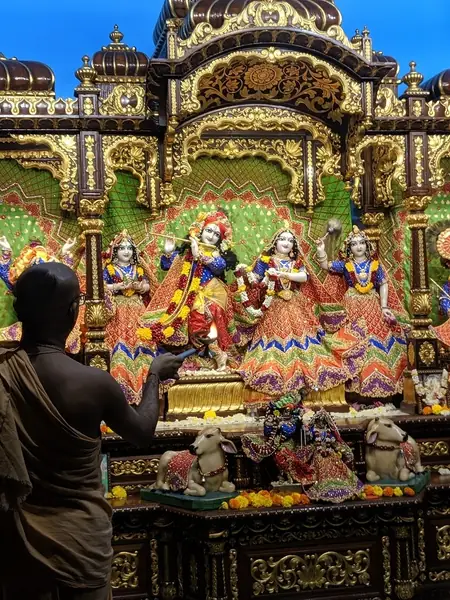
Devotees across India are gearing up to celebrate Yashoda Jayanti on February 7, marking the birth anniversary of Lord Krishna’s foster mother, Yashoda. According to the Hindu lunar calendar, this festival falls on the sixth day of the dark half of Phalgun month. Families light up homes and temples with fervor, performing elaborate rituals to honor the maternal figure synonymous with unconditional love.
The day holds profound significance for those seeking the blessings of progeny and family harmony. Ancient scriptures emphasize that observing a fast and conducting special pujas on Yashoda Jayanti can fulfill desires for children, ensure their well-being, and bring peace to households. Yashoda’s bond with baby Krishna, filled with playful antics like stealing butter, symbolizes divine motherhood.
Rituals commence early morning with bathing idols of Yashoda and Bal Krishna. Offerings include fresh milk, curd, butter, mishri, and seasonal fruits. Devotees sing bhajans recounting tales from Krishna’s childhood in Gokul, culminating in aarti and distribution of prasad. The atmosphere buzzes with joy as communities come together.
Astrological details for February 7 reveal Chitra Nakshatra until 2:28 AM on February 8, with Moon transiting Virgo. Sunrise is at 7:06 AM and sunset at 6:05 PM. Panchang highlights Sarvartha Siddhi Yoga and Ravi Yoga from 2:28 AM to 7:05 AM, ideal for worship. Amrit Kaal spans 7:31 PM to 9:15 PM, perfect for auspicious activities.
Other favorable windows include Abhijit Muhurat from 12:13 PM to 12:57 PM, Vijay Muhurat 2:25 PM to 3:09 PM, and Godhuli Muhurat 6:03 PM to 6:29 PM. Devotees are advised to avoid inauspicious periods: Rahu Kaal 9:51 AM to 11:13 AM, Yamaganda 1:58 PM to 3:20 PM, and Gulikai 7:06 AM to 8:28 AM.
This Yashoda Jayanti offers a timely reminder of devotion’s power in modern lives. Plan your rituals meticulously to harness these cosmic alignments for maximum spiritual benefits.