
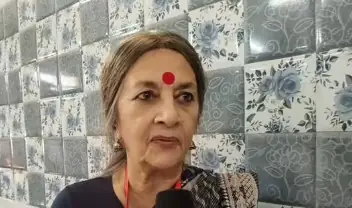
Udaipur, February 15: In a scathing critique, CPI(M) senior leader Vrinda Karat has accused the central government of systematically stifling opposition voices in Parliament, particularly amid discussions on the India-US trade deal and upcoming Kerala elections.
Karat, speaking exclusively to reporters, highlighted a disturbing trend in parliamentary proceedings. ‘The Leader of Opposition in Lok Sabha is not being given adequate time to speak,’ she asserted. She alleged that the BJP-led government prefers the opposition to stick to scripted topics, deliberately avoiding substantive debates on pressing national issues.
The veteran Marxist leader painted a grim picture of Parliament’s declining standards. ‘The dignity of the House is at stake due to this erosion,’ she said. Karat pointed to shortened session days, pressure on standing committees, and reluctance to discuss critical bills as direct assaults on democratic norms.
On the much-hyped India-US trade agreement, Karat expressed deep reservations. ‘This so-called deal appears heavily one-sided, yet the government has kept both Parliament and the public in the dark,’ she charged. Information about the pact, she noted, trickles in primarily through former US President Donald Trump’s statements rather than official channels.
Initially vague signals from the government evolved into Commerce Minister Piyush Goyal’s mention of a joint statement. But Karat demands transparency: ‘If agreements have been reached on tariffs and non-tariff barriers, why isn’t the full details public? The nation deserves to know the real terms of negotiation.’
Turning to Kerala, where assembly elections loom, Karat exuded confidence in the Left Democratic Front’s prospects. With the LDF government in power for a second consecutive term, she listed achievements in public welfare. ‘If people appreciate our work, a hat-trick is possible,’ she predicted, emphasizing voter focus on development policies over rhetoric.
Karat’s broadside underscores growing tensions between the ruling coalition and opposition, as key economic deals and state elections shape India’s political landscape. Her call for robust parliamentary debate resonates amid accusations of executive overreach.