
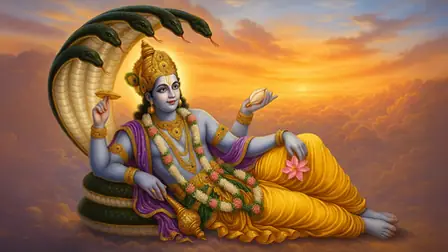
In the heart of Hindu traditions, the Panchang serves as the cosmic calendar guiding daily rituals and major life events. On February 13, Friday, devotees across India will observe Vijaya Ekadashi, a sacred fast dedicated to Lord Narayan. This Krishna Paksha Ekadashi in the month of Phalgun holds immense spiritual significance, promising victory over obstacles and fulfillment of desires.
According to Drik Panchang, the Ekadashi tithi commences on February 12 at 12:22 PM and extends until 2:25 PM the next day. Observed throughout the day based on Udaya Tithi, this vrat is believed to have been undertaken by Lord Rama before his triumphant conquest of Lanka. Legends narrate how this observance granted him unparalleled strength and success, a boon extended to all faithful observers today.
Benefits abound for those who fast sincerely. Diseases vanish, sorrows dissipate, enemies are subdued, and triumph graces every endeavor—be it professional pursuits or legal battles. Courts and disputes see favorable resolutions, while accumulated merits pave the way for wish fulfillment.
Celestial alignments feature the Moon transiting Sagittarius, with Mula Nakshatra until 4:12 PM, followed by Purvashadha. Sunrise graces at 7:01 AM, sunset at 6:10 PM. Devotees must navigate inauspicious periods wisely: Rahu Kaal from 11:12 AM to 12:35 PM, Yamaganda from 3:23 PM to 4:46 PM, and Gulika Kaal from 8:25 AM to 9:48 AM. Shun new ventures during these windows.
Fortunate slots include Brahma Muhurta from 5:18 AM to 6:10 AM, Abhijit Muhurta from 12:13 PM to 12:58 PM, and the highly auspicious Vijaya Muhurta from 2:27 PM to 3:11 PM—perfect for poojas and resolutions.
Parana, or breaking the fast, occurs on February 13 after Ekadashi ends, during Dwadasi. Worship Lord Vishnu with devotion, recite the sacred katha, and partake in fruits or water. This Vijaya Ekadashi invites Narayan’s grace, turning life’s battles into victories for the pious.