
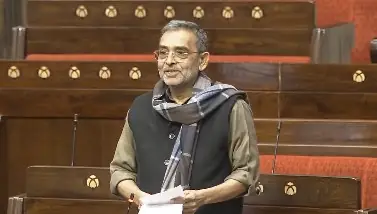
In a passionate appeal echoing the grandeur of ancient India, Rashtriya Lok Morcha chief Upendra Kushwaha urged the central government on Wednesday to restore the historic name of Bihar’s capital from Patna to Pataliputra. Speaking during the Rajya Sabha debate on President Droupadi Murmu’s address, Kushwaha painted a vivid picture of the Mauryan Empire’s golden era, when Pataliputra stood as the jewel of a vast kingdom stretching across modern-day Bangladesh, Bhutan, Afghanistan, and Nepal.
Kushwaha emphasized that reviving the ancient name would honor India’s illustrious past and inspire future generations. ‘Pataliputra fills us with pride as the capital of the Mauryan Empire, a symbol of our nation’s glory,’ he declared, drawing parallels to recent renamings like Calcutta to Kolkata, Orissa to Odisha, and Bombay to Mumbai. Why hesitate with Patna, he questioned, when such changes celebrate cultural heritage?
Referencing President Murmu’s words on remembering ancestors’ achievements to fuel India’s development journey, Kushwaha argued that Pataliputra’s legacy—from the era when India was known as the ‘Golden Sparrow’—remains etched in global history through ruins and monuments. Bihar, he noted, reached its zenith under Mauryan rule, with sites recognized worldwide.
The demand has sparked discussions on balancing modernity with historical pride. As India marches toward a developed nation status, Kushwaha’s call underscores the role of cultural revival in national identity. Will the government heed this voice from Bihar’s political landscape, or will it remain a rhetorical flourish in parliamentary debates? The echoes of Pataliputra may yet resonate in policy corridors.