
In a firm stance on public order, Uttar Pradesh’s Parliamentary Affairs and Finance Minister Suresh Khanna has outright dismissed demands to allow loudspeakers from mosques during Ramzan. Speaking to the media, Khanna emphasized that the government will strictly adhere to existing regulations, leaving no room for exceptions. ‘Everyone must follow the law,’ he declared, underscoring the administration’s commitment to uniformity.
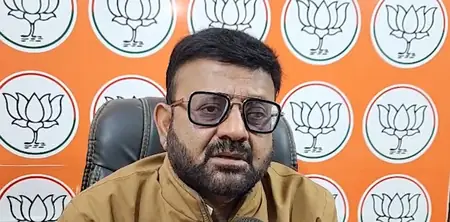
BJP leader Pratuls Shah Dev echoed this position with strong support, telling reporters that ‘nothing is above the law; religion comes second.’ He highlighted that India operates under its Constitution and legal framework, not personal or communal whims. Dev pointed to the Supreme Court’s guidelines restricting loudspeaker use between 10 PM and 6 AM, arguing that granting special permissions for religious occasions sets a dangerous precedent.
Expanding on public disruptions, Dev criticized street prayers during Juma and Eid that block roads, jam traffic, and endanger emergencies like ambulances. ‘People should pray inside mosques, not turn streets into congregation zones,’ he asserted. This call for discipline aims to balance religious freedom with civic responsibilities.
Shifting to electoral integrity, Dev addressed Supreme Court interventions in West Bengal, where allegations of biased voter list manipulations have surfaced. He accused local officials of acting as agents for the state government, systematically removing legitimate BJP sympathizers. Chief Minister Mamata Banerjee’s claims of targeting Muslims were rebutted sharply: ‘We will target Rohingya infiltrators, illegal Bangladeshi migrants—they aren’t citizens.’ Dev warned that protecting such elements harms genuine local Muslims and erodes trust in governance.
The Supreme Court has acknowledged the lack of impartiality in Bengal’s administration, prompting directives for fair voter verification. This episode highlights ongoing tensions between law enforcement, religious practices, and political maneuvering in India’s diverse landscape. As UP sets an example of rule-bound governance, other states watch closely amid rising calls for equitable public space usage.