
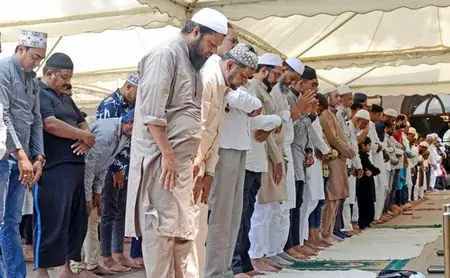
Hyderabad’s administration has rolled out a compassionate policy just in time for the holy month of Ramadan. Starting February 19, all Muslim government employees across Telangana will be allowed to leave their offices an hour early, at 4 PM, to accommodate prayer times.
Chief Secretary K. Ramakrishna Rao issued a detailed memo on Tuesday, extending this facility to a wide array of workers. This includes regular government staff, teachers, contractual and outsourcing employees, those in boards and corporations, and public sector undertakings. The concession runs through March 20, inclusive of both dates, barring exceptional service demands that require their presence.
This move underscores the state’s commitment to religious harmony and employee welfare. It allows Muslims observing the fast to perform their evening prayers without the rush of standard office hours.
In parallel, school timings have been adjusted for Urdu-medium institutions. The Director of School Education approved changes effective the same period. Government and aided Urdu-medium schools, parallel medium schools, and Urdu sections in DIET colleges will now operate from 8 AM to 1:30 PM.
To compensate for reduced instructional hours, higher primary and secondary schools must add an extra working day. Primary schools will extend daily sessions by 30 minutes on two separate days. Regional and district education officers are tasked with ensuring strict compliance by principals and headmasters, maintaining prior compensation standards.
Neighboring Andhra Pradesh has mirrored this approach, already permitting similar early departures for Muslim employees from February 18 to March 19. There, Minority Welfare Minister NMD Farooq confirmed the order covers teachers, contractual staff, outsourcing workers, and those in village and ward secretariats.
These initiatives reflect a broader trend in southern India, prioritizing inclusivity during religious observances. As Ramadan approaches, such policies foster a supportive work environment, balancing professional duties with spiritual practices. Telangana’s decision is poised to set a precedent for empathetic governance.