
Hyderabad’s political landscape heated up on Wednesday as the Telangana Backward Classes Commission threw down a gauntlet to the state government. In a strongly worded letter to Chief Secretary K. Ramakrishna Rao, Commission Chairman G. Niranjan insisted that the upcoming census cannot proceed without the Centre adding 40 state-listed backward castes to the national OBC roster.
Currently, only 90 of Telangana’s 130 recognized backward castes feature on the central list. Launching the census on this incomplete basis, the Commission warned, would leave 40 communities out in the cold, skewing population data and undermining reservation policies and welfare schemes.
“This discrepancy poses a serious threat to accurate policymaking,” Niranjan emphasized, urging immediate action. The state and Commission have repeatedly petitioned New Delhi, yet no final decision has emerged.
Meanwhile, census preparations are accelerating. House listing operations kick off statewide from May 11, 2026, to June 9, 2026, followed by the main enumeration from February 9 to 28, 2027. A key innovation: a self-enumeration portal launches 15 days prior, allowing citizens to input data digitally.
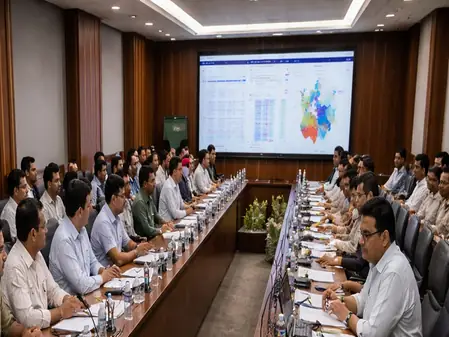
Chief Secretary Rao chaired a high-level review with district collectors and Census Director Bharati Holikeri, stressing zero exclusions. Remote tribal hamlets, urban slums, and sensitive zones must all be covered meticulously.
This dual-track approach—traditional door-to-door plus online self-reporting—promises greater transparency and efficiency. Authorities aim for a comprehensive count that truly reflects Telangana’s diverse demographics, but the BC Commission’s demand looms large as a potential roadblock.
As Telangana races toward this landmark exercise, the unresolved OBC list issue highlights deeper federal tensions over caste data and equity. Policymakers now face mounting pressure to align central and state lists before the clock ticks down.