
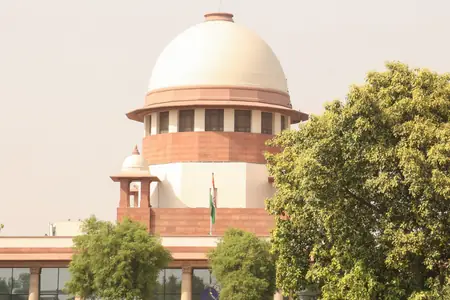
In a significant ruling, the Supreme Court of India on Monday declined to intervene in the contentious dispute over the Thiruparankundram hill in Madurai, Tamil Nadu. The apex court upheld the Madras High Court’s balanced order, which restricts Muslim prayers in the Nallithoppu area to only during Ramadan and Eid al-Adha.
The case stems from longstanding tensions surrounding religious practices on the sacred hill, revered by both Hindu and Muslim communities. The High Court had limited namaz permissions to these two major Islamic festivals and imposed a ban on animal sacrifices in the region. This decision was challenged by local resident and petitioner M. Imam Hussain, represented by senior advocate Prashant Bhushan.
Bhushan argued that trial courts and the Privy Council had previously recognized approximately 33 cents of land in Nallithoppu as belonging to the Muslim community. He contended that curtailing prayers to just two occasions infringes on fundamental religious rights, despite acknowledged ownership.
After hearing both sides, a bench of the Supreme Court observed that the High Court’s directive appears equitable, considering the interests of all stakeholders. ‘No interference is warranted,’ the court stated, effectively keeping the High Court order intact.
This development follows earlier judicial interventions. In January, a single judge issued interim directions prohibiting animal sacrifices, serving non-vegetarian food at the dargah, and transporting meat up the hill during festivals. These measures addressed complaints from Hindu devotees about practices clashing with the site’s sanctity.
The ruling underscores the judiciary’s effort to maintain harmony in areas of religious overlap. As the order stands, regular prayers remain prohibited outside the specified festivals, potentially setting a precedent for similar disputes nationwide. Local communities await further clarity, while the decision reinforces the High Court’s role in fostering coexistence.