
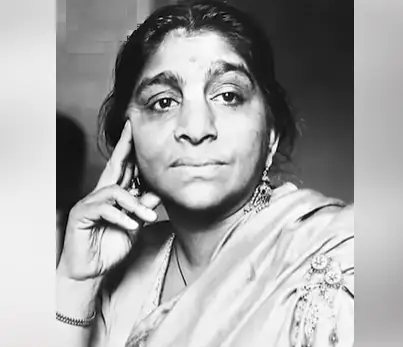
In the annals of India’s freedom struggle, few figures shine as brightly as Sarojini Naidu, the ‘Nightingale of India.’ Her poetry wove threads of nationalism, beauty, and resilience into the fabric of a burgeoning nation. Mahatma Gandhi’s endearing title, ‘Bharat Kokila,’ captured her melodic voice that resonated across generations.
Born with an innate gift for words, Naidu began composing verses at just 12. Her works pulsed with revolutionary fervor, blending romantic lyricism with calls for independence. Influenced by British Romantic poets, she infused English lines with vivid Indian imagery—bustling markets, vibrant festivals, and the soul of everyday life.
Her debut collection, ‘The Golden Threshold,’ named after her Hyderabad home, celebrated the simplicity and splendor of Indian existence. Poems like ‘In the Bazaars of Hyderabad’ became anthems for the Swadeshi movement, urging self-reliance against colonial rule. Subsequent volumes such as ‘The Bird of Time’ and ‘The Broken Wing’ delved into themes of love, destiny, and mortality, all underscored by a deep patriotic undercurrent.
Naidu’s literary prowess propelled her into politics. In 1925, she became the first Indian woman president of the Indian National Congress, a milestone that shattered glass ceilings. She traversed continents, addressing Indian diaspora in South Africa and championing women’s rights globally. Post-independence, as Uttar Pradesh’s first female governor, she advocated for gender equality and education, famously declaring that national service transcended gender divides.
Her courage shone in pivotal moments like the Non-Cooperation Movement and Salt Satyagraha, where she stood shoulder-to-shoulder with Gandhi. Naidu’s life was a symphony of struggle and song, leaving an indelible legacy. Today, on her death anniversary, her words continue to inspire a nation she helped forge.