
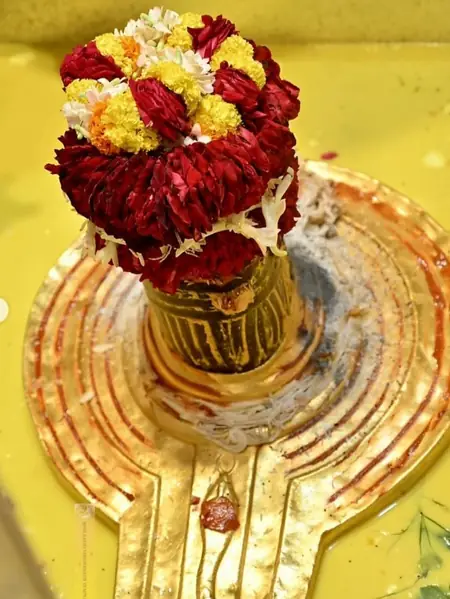
New Delhi, February 26: The vibrant Rangbhari Ekadashi, also known as Amalaki Ekadashi, falls on February 27 in the Shukla Paksha of Phalgun month. This sacred day holds profound significance in Hindu traditions, linking devotees to Lord Vishnu and Lord Shiva in unique ways.
Devotees observe fasts with deep devotion, believing it eradicates sins and invites prosperity, happiness, and positive energy. The amla tree, abode of Lord Narayan, takes center stage with special worship rituals enhancing spiritual merits.
In Kashi and various regions, celebrations kick off Holi festivities with colors, marking Lord Shiva’s first visit with Parvati post their divine wedding. This connection infuses the day with joy and festivity.
According to Drik Panchang, Ekadashi tithi lasts until 10:32 PM on February 27, followed by Dwadashi. Ardra Nakshatra persists till 10:48 AM, then Punarvasu begins. Ayushman Yoga endures till 7:44 PM.
Highly auspicious alignments include Sarvartha Siddhi Yoga from 10:48 AM on February 26 to 6:47 AM next day, and Ravi Yoga from sunrise at 6:48 AM to 10:48 AM. Sunrise is at 6:48 AM, sunset at 6:20 PM.
Prime muhurats: Brahma from 5:09-5:59 AM, Abhijit 12:11-12:57 PM, Vijaya 2:29-3:15 PM, Godhuli 6:17-6:42 PM.
Steer clear of inauspicious periods: Rahu Kaal 11:08 AM-12:34 PM, Yamaganda 3:27-4:53 PM, Gulika 8:15-9:41 AM, Dur Muhurat 9:07-9:53 AM, and Bhadra 11:31 AM-10:32 PM.
Plan your rituals meticulously to harness these cosmic blessings for a fulfilling year ahead.