
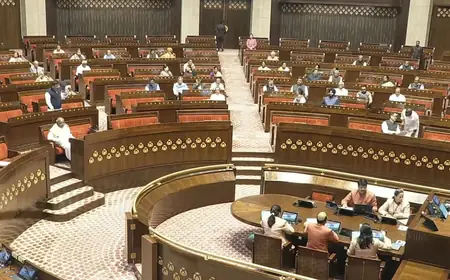
In a fiery session of the Rajya Sabha, Trinamool Congress MP Derek O’Brien spotlighted the crisis of stagnant wages and youth unemployment gripping India. Speaking during zero hour on Friday, he passionately advocated for a ‘UMANG’ – Universal Minimum Annual National Guarantee – to ensure every worker across sectors earns a dignified living.
O’Brien painted a grim picture: one in three young Indians is neither employed, studying, nor in training. Those with jobs often lack minimum wage protections, trapping them in a vicious cycle of working poverty. He highlighted how national daily wages have barely budged at around 176 rupees over the past decade, stifling consumption and economic growth.
His bold proposal calls for a single, legally enforceable universal basic minimum wage, blind to sector, industry, contract type – including gig and contract workers – or workplace location. This ‘UMANG’ would guarantee no worker earns below a set threshold nationwide.
Outlining a four-point plan, O’Brien urged the government to notify a binding national minimum wage applicable everywhere, index it to inflation with annual revisions, simplify rate structures for easy compliance, and extend universal coverage to unorganized sectors, gig economy, and contractual roles.
The debate didn’t stop there. AAP MP Sanjay Singh unleashed sharp criticism against the Agniveer scheme, calling it a betrayal of aspiring soldiers. ‘Joining the army is every youth’s dream,’ he thundered, recounting how lakhs of young men passed exams from 2019-2020 for Army and Air Force slots, only to be left in limbo.
Singh shared the heartbreaking story of Harinder Yadav from Jaunpur, who dreamed of frontline service but was forced into menial tasks as an officer’s aide. ‘This mockery must end,’ he demanded, slamming the scheme for cheating the nation’s youth who yearn to defend India.
As opposition voices grow louder, these interventions underscore deepening concerns over labor rights and military recruitment, pressing the government for urgent reforms amid economic slowdowns and national security priorities.